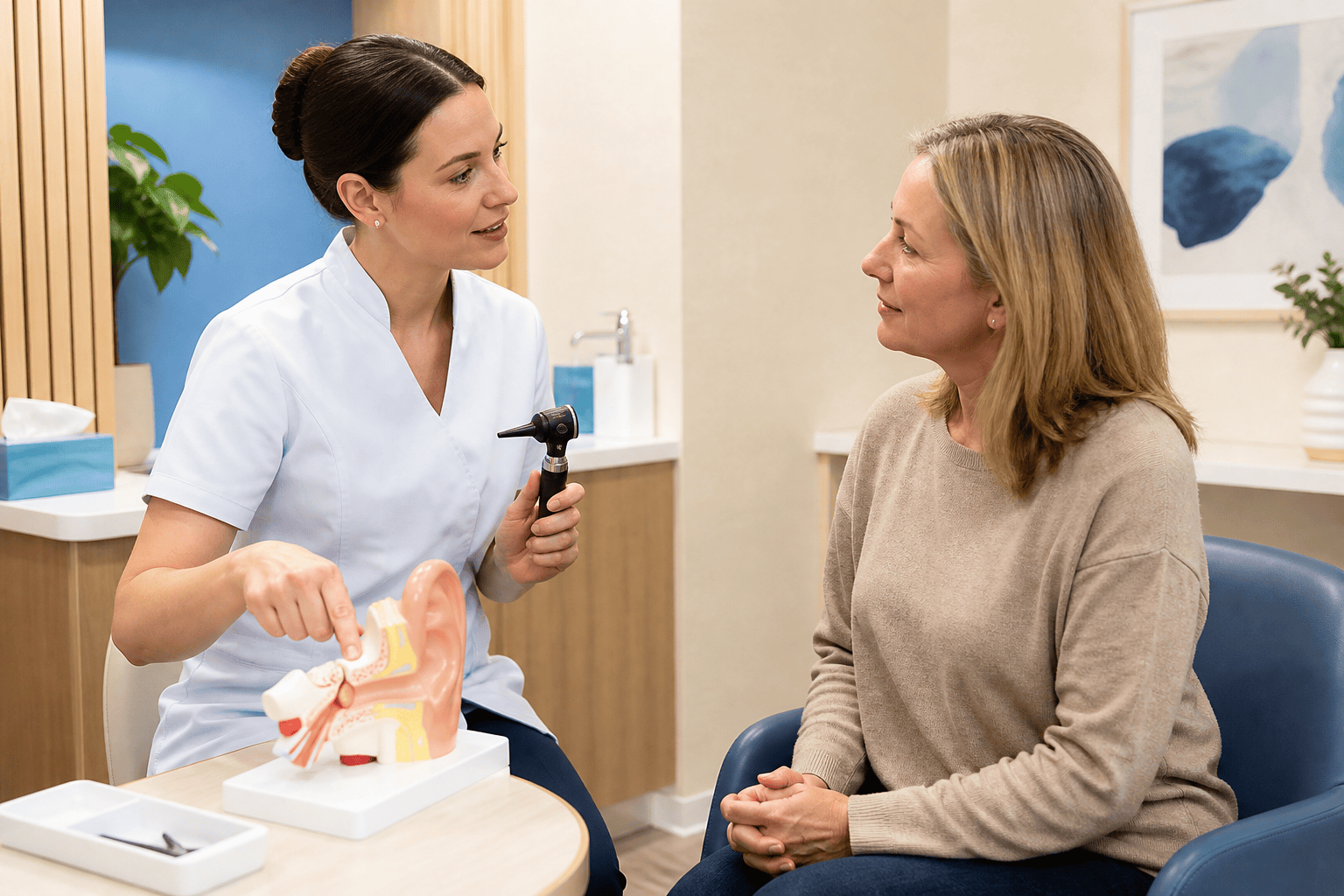

Booking a sexual health appointment can feel like a big step, especially if you are worried about symptoms or an encounter. You do not need to have all the answers before you attend. The appointment is a chance to talk confidentially with a healthcare professional, ask questions and discuss what care or testing may be appropriate for you.
Before you book: be clear about what you need
Sexual health appointments can cover different needs, including advice about sexually transmitted infections (STIs), contraception and symptoms. The services available vary, so check what the appointment includes when booking. You may want to ask whether testing is offered, which infections can be tested for, how results are shared, the likely timescale and whether there is a charge.
If you have a specific concern, such as a possible exposure to an STI, mention it when you contact the pharmacy. Some tests are not reliable immediately after exposure because an infection may take time to become detectable. The appropriate test and timing depend on the infection and your circumstances; a pharmacist can advise whether to test now, arrange a later test or contact a sexual health clinic.
If you have symptoms, explain what they are and when they began. A pharmacy may be able to offer advice or a service, but some symptoms need assessment by an NHS sexual health clinic or another healthcare professional.
Questions you may want to consider
You do not have to prepare a script, but thinking through a few details can make the conversation easier. It can help to consider:
- What is your main concern, and what would you like help with today?
- Have you noticed symptoms? When did they start, and have they changed?
- When might the possible exposure have happened? If relevant, what kind of sexual contact was involved?
- Have you had any recent STI tests or treatment, and do you know the results?
- Are you using contraception, or would you like to discuss pregnancy prevention?
- Are you taking any medicines or supplements, or do you have allergies or health conditions that could affect treatment?
- Would you prefer to discuss anything in particular about privacy, testing or how results will be communicated?
You can share only what is relevant to your care, and you can ask why a question is being asked. Accurate information helps the professional recommend suitable advice or tests. There is no need to feel embarrassed: sexual health professionals are used to discussing these topics and should treat you respectfully and without judgement.
What to expect at the appointment
Your appointment will usually begin with a conversation about your reason for attending and your health. The professional may ask about symptoms, sexual contact, timing, previous tests, contraception and medicines. These questions help them understand what testing or advice may be suitable; they are not a test of your behaviour.
If testing is available and appropriate, the professional will explain what it involves before you decide. Depending on the test, a sample might be urine, blood or a swab. Not everyone needs every type of sample. Ask what the test can and cannot detect, whether you need to do anything beforehand, when to expect a result and what happens if it is positive. You can ask for an explanation at any point, and you can pause or decline a test.
If the service cannot provide the assessment or treatment you need, the pharmacy can advise you about an appropriate next step, such as contacting an NHS sexual health clinic or your GP. You may also be advised to avoid sexual contact, or to use condoms, while waiting for assessment or results. Follow the advice given for your specific situation.
Confidentiality and your comfort
Sexual health discussions are handled sensitively. Before sharing information, you can ask how your details and results are managed, who can access them and how you will be contacted. Healthcare professionals have duties to protect confidentiality, although there can be limited exceptions where there is a serious safety or safeguarding concern. If you are unsure, ask the pharmacist to explain this in plain language.
You can request a professional of a particular gender if one is available, bring someone for support where appropriate, or ask to speak somewhere private. Tell the pharmacist if you feel uncomfortable or need more time. If you are under 16, you can still seek confidential sexual health advice; the professional will consider your safety and circumstances and explain any limits to confidentiality.
When to seek urgent help
Do not wait for a routine appointment if you have severe or rapidly worsening symptoms. Seek urgent medical advice for severe lower abdominal or pelvic pain, sudden severe pain or swelling in a testicle, a high temperature with significant genital or pelvic symptoms, or heavy bleeding. Call 999 for a medical emergency.
If you think you may have been exposed to HIV, seek urgent advice as soon as possible. Post-exposure prophylaxis (PEP) needs to be assessed urgently and should be started within 72 hours if appropriate; contact an NHS sexual health service or an emergency department rather than waiting for a routine pharmacy appointment. If sexual contact was non-consensual, you can seek help from a sexual assault referral centre or emergency service. You deserve support, and you do not have to decide about reporting to the police before seeking medical care.
After the appointment
Before you leave, check that you understand the next steps: when and how results will arrive, what to do if you do not hear back, and whether you need a follow-up test or treatment. If an STI is diagnosed, the professional can explain treatment and how to reduce the chance of passing it on. They may recommend that recent partners are informed so they can access testing or treatment too; ask about confidential partner-notification support if you would like help.
If you are booking because something is worrying you, getting advice is a positive step. You can ask questions, take time to understand your options and discuss what feels right for you.
Book a sexual health appointment
For support with your sexual health, book a sexual health appointment with Unicare Pharmacy. Check the service details when booking so you know what is available and what to expect.