
Medical cannabis is available legally in the UK, but it is not an over-the-counter treatment and a private pharmacy consultation does not automatically result in a prescription. The service provides an opportunity to discuss your symptoms, previous treatments, medical history and treatment goals with an appropriately qualified clinician. If medical cannabis is considered suitable, a specialist doctor must make the prescribing decision and the medicine can then be supplied by a registered pharmacy.
What medical cannabis means in the UK
“Medical cannabis” generally refers to cannabis-based products for medicinal use in humans, often abbreviated to CBPMs. These may contain cannabinoids such as cannabidiol (CBD) and tetrahydrocannabinol (THC), in varying amounts and formulations. Products may include oils, capsules, oral solutions or, in some circumstances, dried flower.
Since November 2018, specialist doctors on the General Medical Council’s Specialist Register have been able to prescribe cannabis-based medicinal products when they consider it clinically appropriate. This is different from buying cannabis or CBD products for recreational use or general wellbeing. A legally prescribed product is selected, supplied and monitored as part of a medical treatment plan.
Many cannabis-based medicines are unlicensed medicines. This means that the specific product has not been granted a marketing authorisation for a particular indication in the UK. An unlicensed prescription can still be lawful and appropriate, but the prescriber must be satisfied that it is suitable for the individual patient and that the potential benefits outweigh the risks.
What a private consultation can provide
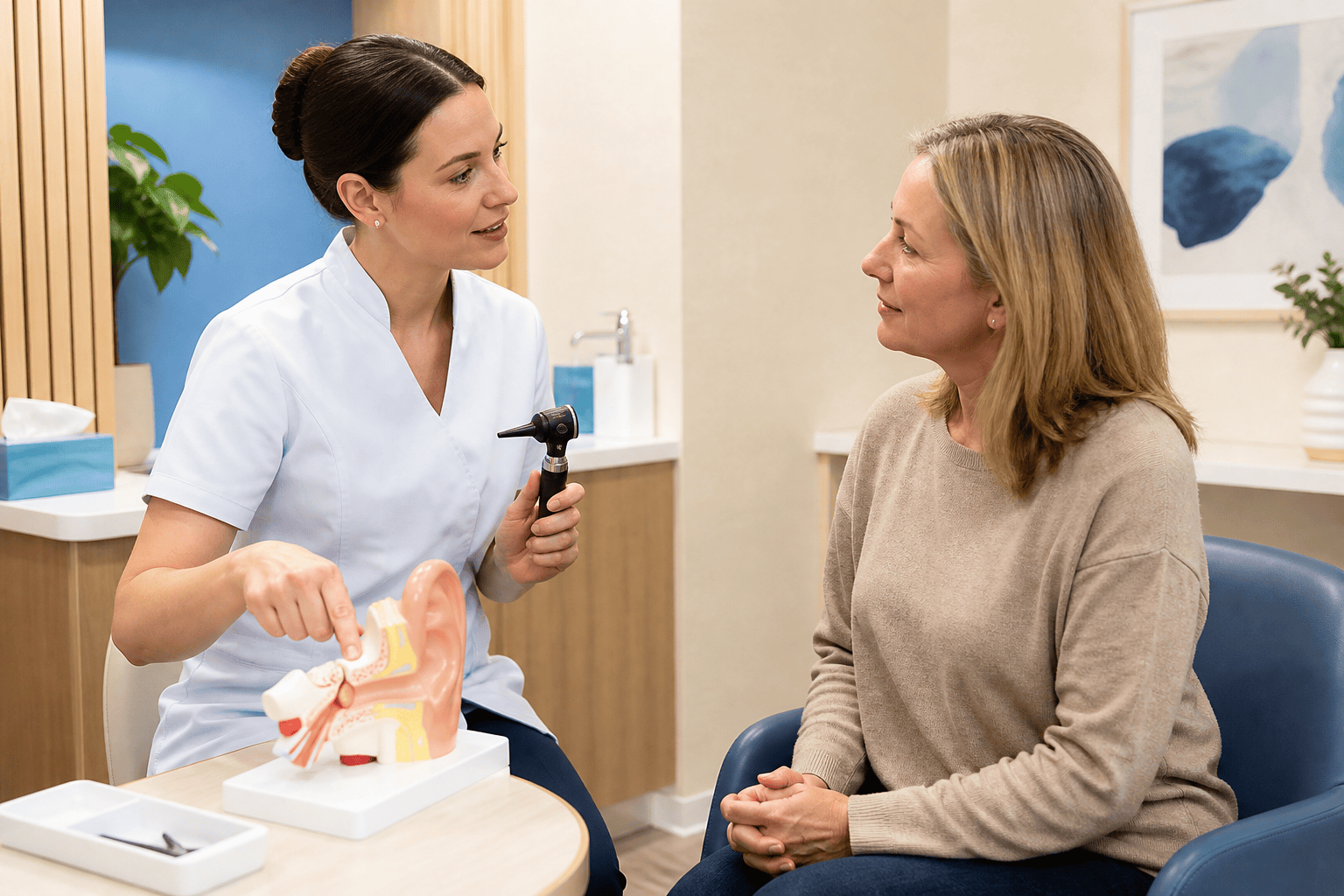
A consultation can provide a structured clinical assessment. Depending on the service, this may involve a specialist doctor or another healthcare professional gathering information for the prescribing team. You may be asked about:
- Your main symptoms, diagnosis and treatment objectives
- Previous medicines, therapies and their effects or side effects
- Your current medicines, allergies and relevant medical conditions
- Your mental health history, including any history of psychosis or severe mood disorder
- Alcohol, tobacco, cannabis or other substance use
- Pregnancy, breastfeeding and any plans to drive or travel with medication
The clinician can explain whether a cannabis-based medicine may be a reasonable option, what benefits might realistically be expected and which risks need to be considered. They may also discuss different formulations, the significance of THC and CBD content, how treatment is usually started cautiously and why doses are often adjusted gradually.
If the prescribing clinician believes treatment is appropriate, they can issue a private prescription within their professional responsibilities. The pharmacy can then dispense the prescribed medicine, provide instructions for use and answer questions about storage, administration and collection or delivery arrangements. Follow-up appointments may be recommended to review benefit, side effects, dose and ongoing suitability.
Who might be considered for treatment?
Medical cannabis is not suitable for everyone, and there is no single list of symptoms that guarantees eligibility. Specialist prescribers consider the diagnosis, the available evidence, the severity of symptoms and whether standard treatments have been ineffective, unsuitable or poorly tolerated.
NICE guidance includes specific recommendations relating to severe treatment-resistant epilepsy, spasticity associated with multiple sclerosis, chemotherapy-related nausea and vomiting, and certain other circumstances. For some conditions, NICE advises against routine use outside a clinical trial or specialist setting. A doctor may nevertheless consider an unlicensed medicine where there is a clear clinical rationale and prescribing it is within their professional judgement.
Assessment is particularly important where there is a history of psychosis, schizophrenia, bipolar disorder, significant heart or circulation problems, liver disease, substance dependence or medicines that could interact with cannabis-based products. Treatment may be unsuitable, or additional safeguards and advice may be required.
What a private pharmacy consultation cannot provide
A consultation cannot guarantee approval, a prescription or a particular product. The prescribing doctor must make an independent clinical decision and may conclude that medical cannabis is not appropriate. This is an important safeguard and does not mean that your concerns have been dismissed.
The service cannot provide recreational cannabis, products for non-medical use or a prescription simply because another person has received one. It cannot replace emergency care, a full NHS diagnosis or treatment for an undiagnosed serious condition. If you have severe or rapidly worsening symptoms, chest pain, difficulty breathing, a seizure, thoughts of self-harm or another urgent concern, seek emergency medical help rather than waiting for a private consultation.
A pharmacy also cannot change the prescribed product or dose without authorisation from the prescriber. Do not increase the dose, combine products or stop other medicines without discussing this with a healthcare professional. Medical cannabis may cause sleepiness, dizziness, impaired concentration, changes in mood or anxiety, and other unwanted effects. THC-containing medicines can also affect reaction time and judgement.
Driving, work and travel considerations
Being prescribed medical cannabis does not automatically make it safe or lawful to drive while affected by the medicine. The law relating to drug-driving is complex. You must not drive if you are impaired, and you should follow the prescriber’s advice carefully. Keep the medicine in its original labelled packaging and carry evidence of your prescription when appropriate.
Travelling abroad can involve additional restrictions, even when your prescription is legal in the UK. Cannabis and controlled drugs are regulated differently between countries. Before travelling, check the requirements of your destination and any transit countries, allowing sufficient time to obtain the necessary documentation. A pharmacy can provide information about your prescription, but it cannot guarantee that another country will permit the medicine.
How to prepare for your appointment
Bring an accurate list of all prescribed medicines, over-the-counter products and supplements. It is helpful to provide relevant medical letters, diagnoses, treatment records and details of medicines that have been tried. Be open about cannabis or other substance use, as this helps the clinician assess safety and choose appropriate monitoring.
You may wish to ask what treatment outcomes are realistic, how long an assessment may take, the expected costs of consultations and medicine, possible side effects, follow-up arrangements and what to do if treatment is not effective. Private treatment is paid for by the patient and does not guarantee that a prescription will be issued or that the medicine will work.
Book a medical cannabis consultation
If you would like to discuss whether medical cannabis could be appropriate for your circumstances, book the service with Unicare Pharmacy. A qualified clinician can assess your needs, explain the options and advise you on the next appropriate step.