
Autumn brings cooler weather, more time indoors and the return of seasonal respiratory infections, including COVID-19. Symptoms can be mild, but the infection may be more serious for some people, particularly those with certain health conditions or weakened immune systems. Knowing what to look out for, when to get help and what a pharmacy consultation can offer can make it easier to decide what to do next.
What can COVID-19 feel like?
COVID-19 symptoms vary from person to person and can resemble a cold, flu or other respiratory infection. You might have a sore throat, blocked or runny nose, cough, fever, headache, tiredness, aches, or a change in your sense of smell or taste. Some people have only mild symptoms, while others feel significantly unwell. Symptoms alone cannot reliably tell you which infection you have.
Pay attention to how you feel as well as the symptoms themselves. A fever may make you feel hot, cold or shivery, and you may need to rest more than usual. If you are unwell, drink fluids and take time to recover. A pharmacist can discuss suitable ways to ease symptoms, taking your age, health conditions and other medicines into account.
Reducing the chance of passing it on
If you have symptoms of a respiratory infection and a high temperature, or you do not feel well enough to carry on with your usual activities, try to stay at home and avoid contact with other people until you feel better. Take extra care around anyone who may be more vulnerable to severe illness. If you need to be around others, consider steps such as wearing a well-fitting face covering, keeping rooms ventilated and washing your hands regularly.
Autumn is also a useful time to check whether you are eligible for a COVID-19 vaccination through the NHS. Eligibility and arrangements can change, so check current NHS advice or ask a healthcare professional. Vaccination helps reduce the risk of severe illness, but it does not guarantee that you will not catch or pass on COVID-19.
Testing advice and access to tests can also change. Check the latest NHS guidance if you are unsure whether you should test, particularly if you are at higher risk or need to follow specific advice for work, care or a health condition.
When should you seek medical advice?
Contact a healthcare professional if your symptoms are getting worse, are not improving, or you are concerned about your health. Seek advice sooner if you are at higher risk of becoming seriously unwell. This may include people with certain long-term conditions, a weakened immune system, or other risk factors. A pharmacist can help you think through the right next step, but may recommend that you contact your GP or NHS 111.
Some people at higher risk may be eligible for COVID-19 treatments arranged through the NHS. These treatments are not suitable for everyone and need to be started promptly after symptoms begin. If you think you may qualify, contact your NHS care team or NHS 111 as soon as possible rather than waiting for symptoms to become severe. A pharmacy consultation can help you understand where to seek assessment, but it does not replace an NHS eligibility assessment or guarantee access to treatment.
Call 999 or go to A&E for a medical emergency. Examples include severe difficulty breathing, sudden chest pain, collapse, or being difficult to wake. If you are unsure whether a situation is an emergency, contact NHS 111 for urgent advice.
How a pharmacy consultation can help
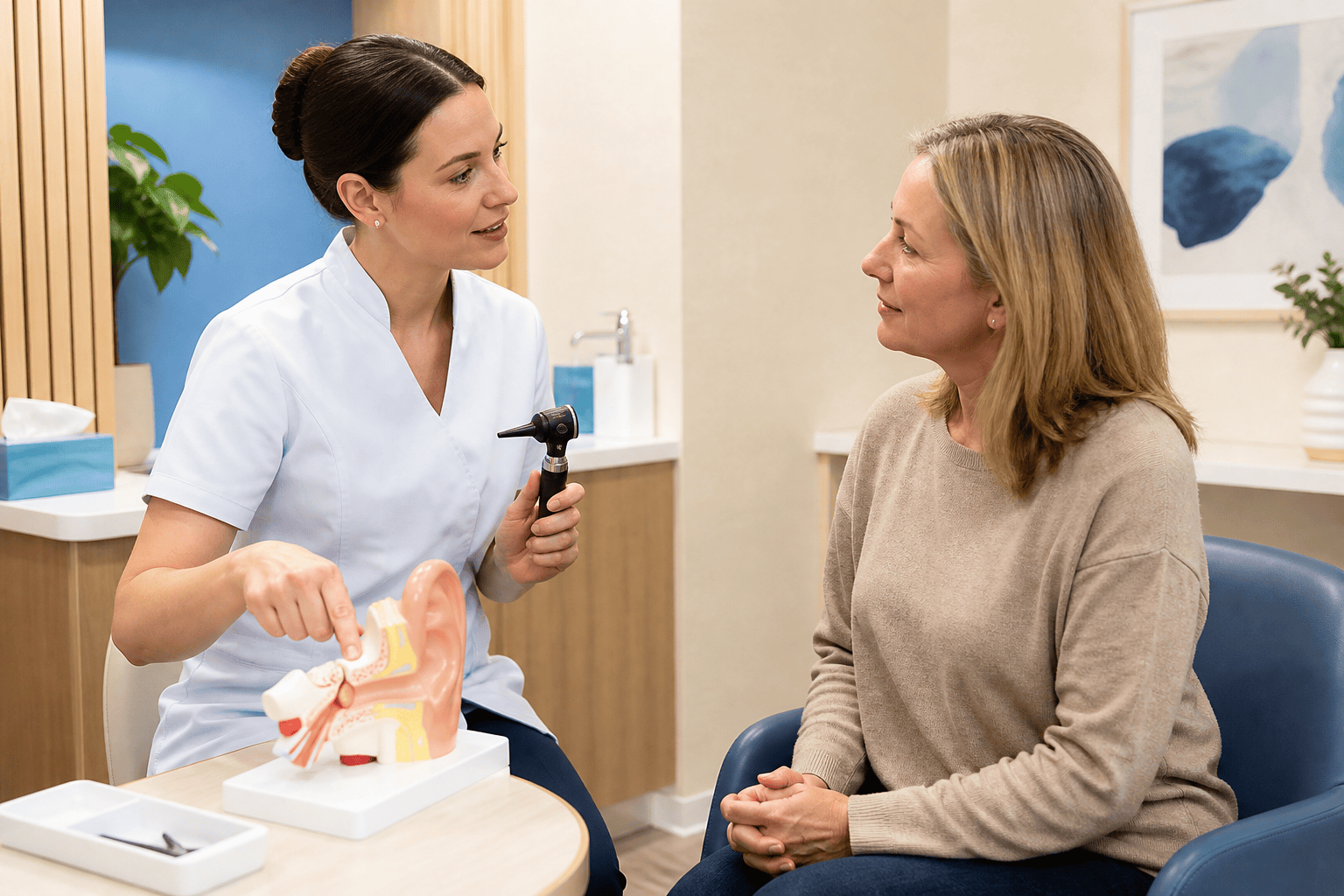
A consultation with a pharmacist offers a convenient opportunity to talk through what is happening and decide what to do next. The pharmacist can ask about your symptoms, when they started, any existing health conditions and medicines you take. This helps them give advice that is relevant to you rather than relying on general guidance alone.
Depending on your circumstances, a consultation may help you:
- understand which symptoms can usually be managed with self-care and which need further assessment;
- discuss appropriate options for easing discomfort and check whether they are suitable alongside your regular medicines;
- identify warning signs that mean you should seek urgent medical help;
- work out whether to contact your GP, NHS 111 or another NHS service; and
- get guidance on reducing the chance of passing an infection to others.
A pharmacist cannot assess every problem in a pharmacy consultation, and some symptoms need examination or urgent care. If that is the case, they can direct you to the appropriate service. If you are struggling to breathe or have another emergency symptom, do not wait for a booked appointment.
Preparing for your appointment
Before your consultation, note when your symptoms began and whether they have changed. It can also help to have a list of your medicines, including anything bought without a prescription, and details of any relevant health conditions. Mention if you are pregnant, have a weakened immune system, or are being treated for a long-term condition, as this may affect the advice you need.
If you have symptoms, consider whether attending in person is appropriate. Contact the pharmacy before travelling if you are unsure; the team can explain the available arrangements. If you feel too unwell to attend, ask what other support or referral route may be suitable.
Book a COVID-19 consultation
If you would like advice about COVID-19 symptoms, self-care or where to seek further help, book a pharmacy consultation with Unicare Pharmacy. For emergencies or rapidly worsening symptoms, seek urgent medical help instead.