When to Seek a Private Sexual Health Consultation
Sexual health concerns are common, but many people delay seeking advice because they feel embarrassed, uncertain or worried about being judged. A private sexual health consultation can provide a confidential, respectful opportunity to discuss symptoms, testing and treatment options with a healthcare professional.
You do not need to wait until you have obvious symptoms. Many sexually transmitted infections (STIs) cause no symptoms, so testing may be appropriate after unprotected sex, a new sexual partner, a change in relationship circumstances or concern that a partner may have an infection. Early advice can help you understand which tests are suitable, when to take them and what to do while waiting for results.
When STI Testing May Be Appropriate
Consider seeking sexual health advice if you have had vaginal, anal or oral sex without a condom, particularly with a new or casual partner. Testing may also be sensible if a sexual partner tells you they have an STI, if a condom broke or slipped, or if you are unsure whether a previous partner was tested.
Routine testing can be helpful even when you feel well. Some infections, including chlamydia, gonorrhoea, HIV and syphilis, may be present without noticeable symptoms. A consultation can help identify which tests are relevant to your sexual history and the types of sex you have had. This matters because samples may need to be taken from different sites, such as the throat, vagina, penis or rectum.
People who are pregnant, planning a pregnancy or undergoing fertility treatment should seek prompt professional advice if there is a possible exposure to an STI. Untreated infections can sometimes affect pregnancy or fertility, although effective testing and treatment are available for many conditions.
Symptoms That Should Be Assessed
Arrange a sexual health consultation if you notice any of the following:
- Unusual discharge from the vagina, penis or anus
- Burning, pain or discomfort when passing urine
- Genital itching, soreness, swelling or irritation
- Blisters, ulcers, warts, lumps or a rash around the genitals, anus or mouth
- Bleeding after sex or bleeding between periods
- Pain during sex or pelvic, testicular or lower abdominal pain
- A new rash, fever, swollen glands or feeling generally unwell after a possible sexual exposure
These symptoms do not always indicate an STI. They may also be linked to conditions such as thrush, bacterial vaginosis, urinary infection, skin irritation or other medical problems. Avoid self-diagnosing where possible, particularly if symptoms are new, severe or recurring. The appropriate test or examination depends on the symptoms, your medical history and the timing of any possible exposure.
Understanding Testing and Timing
Tests are not necessarily accurate immediately after sexual contact. Different infections have different window periods, meaning the time between exposure and a test becoming reliable. Testing too early can produce a negative result even when an infection is present. A healthcare professional can explain whether you should test now, repeat a test later or attend a specialist sexual health clinic.
Testing may involve a urine sample, a swab or a blood test. Some tests can be completed using self-taken samples, while others may require examination by a clinician. Tell the healthcare professional about oral or anal sex, symptoms and any treatments you have already used, as this information helps determine the most appropriate samples.
Do not have sex without a condom while waiting for advice if there is a reasonable possibility of an STI. If you do have sex, using condoms and dental dams can reduce the risk of passing on some infections, although they do not provide complete protection against infections spread by skin-to-skin contact.
Confidential Advice and Treatment
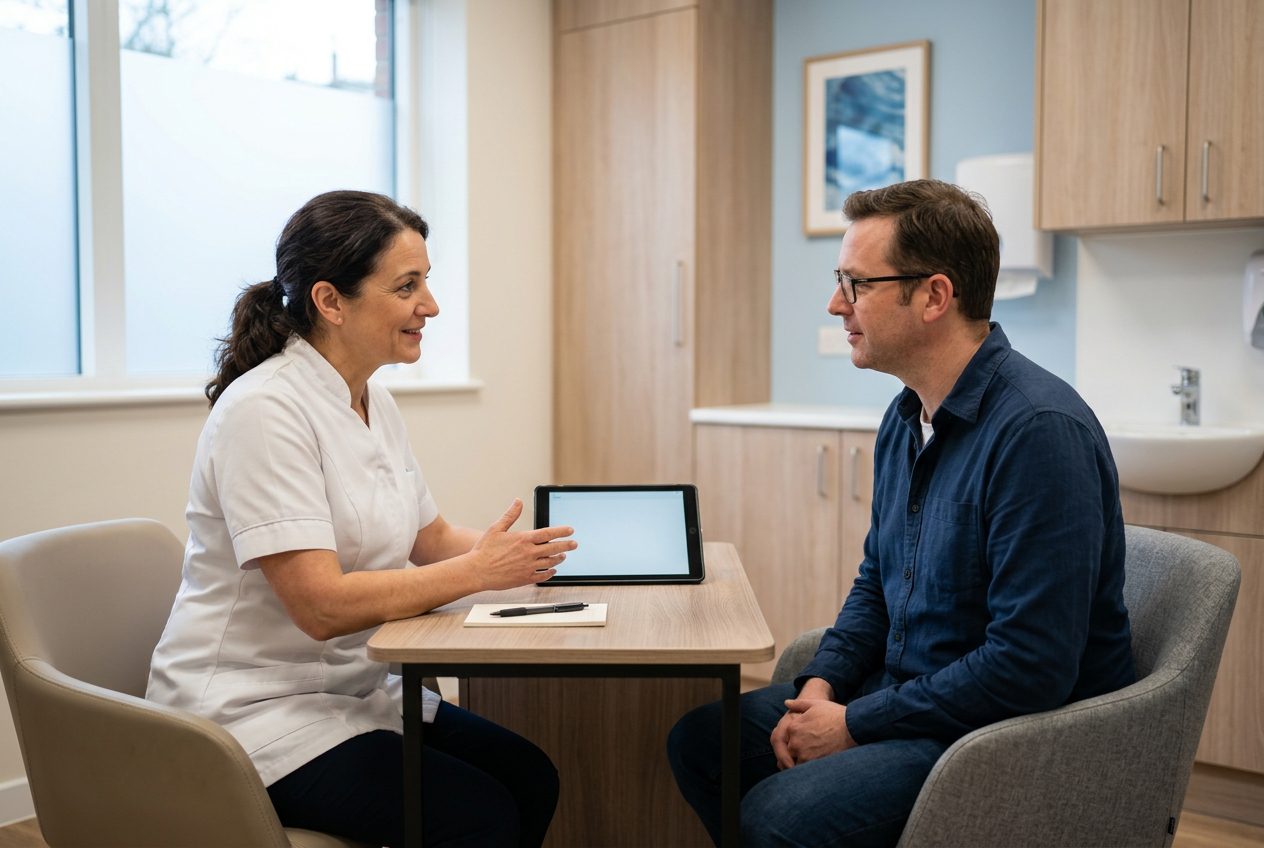
A private consultation gives you space to discuss your concerns confidentially. You may be asked about your symptoms, recent sexual contact, contraception, allergies, medicines and relevant medical conditions. These questions are not intended to judge you; they help the healthcare professional assess risk and recommend safe next steps.
Some conditions can be treated with medicines, but treatment should be based on appropriate clinical advice. Do not share antibiotics or use leftover medicines, as the wrong treatment may delay recovery, cause side effects or contribute to antibiotic resistance. If an STI is diagnosed, recent sexual partners may also need testing or treatment. A sexual health clinic can provide specialist support with partner notification where needed.
Keep any test results and follow instructions about treatment and follow-up. For some infections, you may be advised to avoid sex until treatment is completed and, in certain circumstances, until partners have also been treated. If symptoms persist or return, seek further advice rather than repeating treatment without assessment.
When to Seek Urgent Help
Some situations require urgent medical attention rather than a routine private consultation. Seek urgent help if you have severe or worsening pelvic or abdominal pain, sudden severe testicular pain, heavy bleeding, fainting, a high fever or feel seriously unwell. A painful, swollen testicle can be an emergency.
If you have experienced sexual assault, seek support as soon as you can. An NHS sexual assault referral centre or specialist service can provide medical care, emotional support and information about reporting options. You do not have to decide immediately whether to report an assault.
If you may have been exposed to HIV within the last 72 hours, ask urgently about post-exposure prophylaxis (PEP). PEP is time-sensitive and is usually accessed through an NHS sexual health clinic or an emergency department. If you have symptoms that could indicate serious illness, contact NHS 111 or attend A&E as appropriate.
Preparing for Your Consultation
You do not need to feel completely certain about what has happened before booking. It can help to note when the possible exposure occurred, whether protection was used, the type of sexual contact involved and when symptoms began. Bring a list of medicines, allergies and relevant medical conditions.
You can ask how information will be recorded, which tests are recommended, when results are expected and what will happen if a result is positive. If you are under 16, pregnant, taking regular medicines or have a complex medical condition, additional clinical assessment or referral may be appropriate. Confidentiality has limits where there is a serious safeguarding concern, and the healthcare professional will explain this clearly.
Book a Confidential Sexual Health Consultation
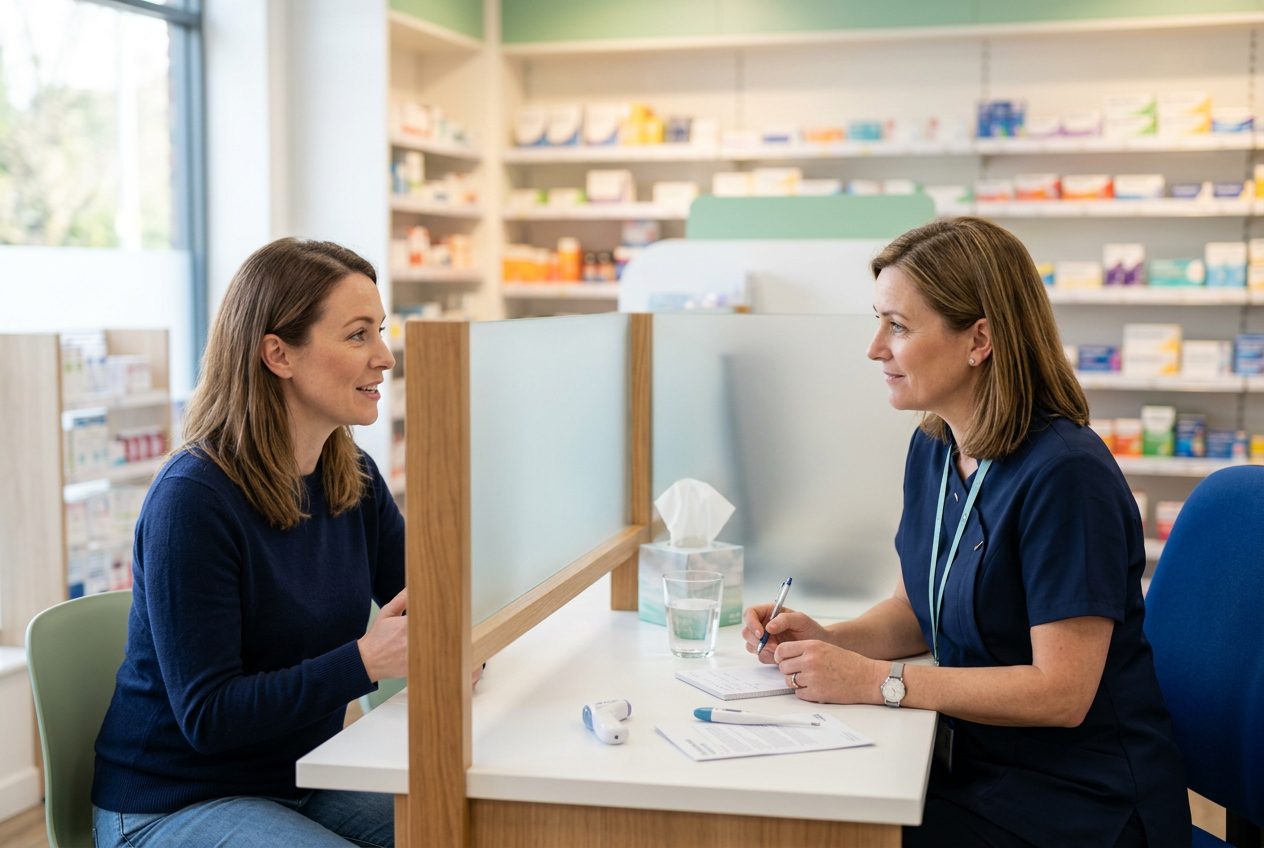
If you are concerned about an STI, have symptoms or would like confidential advice after a possible exposure, our pharmacy team can help you understand the next steps and whether further testing or referral is needed. Book a private sexual health consultation for professional, discreet guidance.