Whether you are escaping the winter, planning a spring city break or looking forward to a summer holiday, preparing for your health can make your trip more comfortable and enjoyable. Different countries and regions may carry different health risks, and the advice you need can depend on your destination, travel dates, activities, accommodation and personal health.
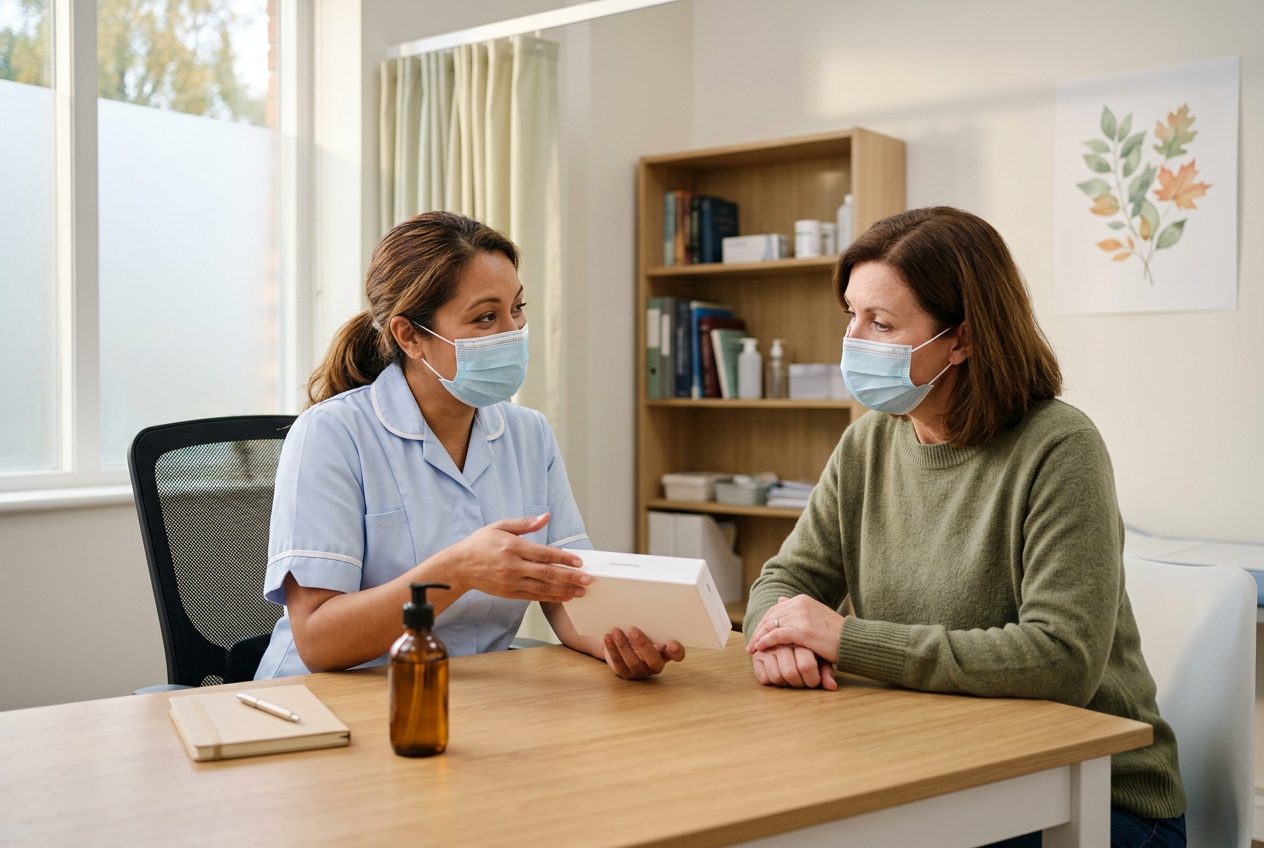
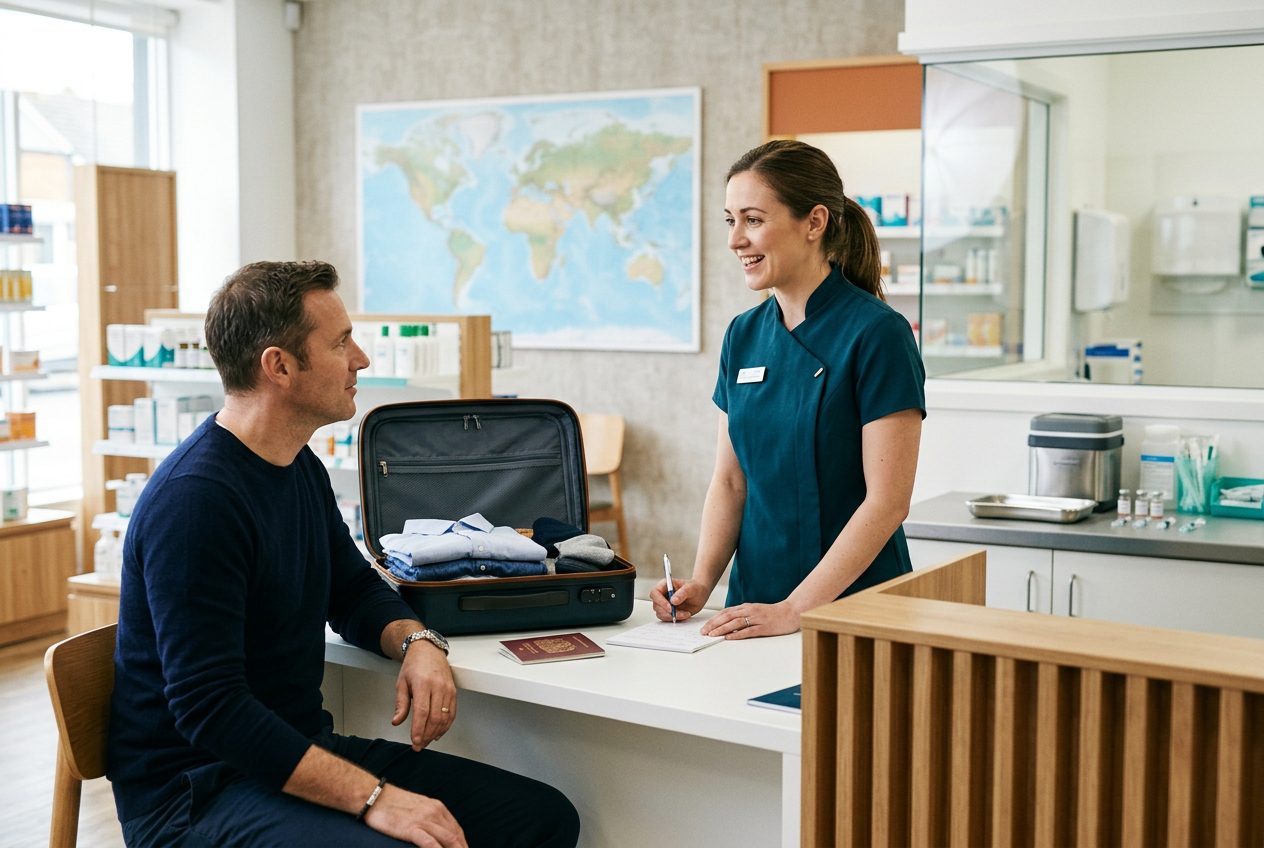
A travel clinic consultation gives you the opportunity to discuss your plans with a healthcare professional, check whether any vaccinations are recommended and receive practical advice for staying well abroad. At Unicare Pharmacy, our Travel Clinic can help you prepare with clear, personalised guidance before you travel.
Why arrange travel health advice?
Travel health is not only about vaccinations. Depending on where you are going, you may need advice about food and water, insect bites, altitude, sun exposure, traveller’s diarrhoea, medical supplies or preventing existing health conditions from becoming difficult to manage.
Some destinations have entry requirements, while others have health recommendations based on local risks. Requirements and recommendations can also change, so it is important to check current guidance rather than relying solely on previous trips or advice from friends and family.
A consultation can help you understand which precautions are relevant to your itinerary and give you time to act before departure. It is particularly important to seek advice if you are pregnant, travelling with children, living with a long-term health condition, taking regular medicines or planning an adventurous or remote trip.
When should you visit a travel clinic?
Ideally, arrange your consultation around six to eight weeks before you travel. This allows time to review your plans, give vaccinations where appropriate and complete a course of doses if more than one is needed. Some vaccines may still be useful when travel is soon, so do not delay seeking advice if your departure date is close.
Early advice is especially helpful for longer trips, visits to several countries, backpacking holidays, work placements, volunteering, cruises, trekking and travel to rural areas. If you have already booked a last-minute break, a travel health consultation can still identify important steps you can take before leaving.
Which travel vaccinations might I need?
The vaccinations recommended will depend on your destination and circumstances. They may include protection against infections such as hepatitis A, typhoid, tetanus, diphtheria, polio, hepatitis B, rabies or Japanese encephalitis. Not every traveller will need every vaccine, and some vaccines are only advised for particular destinations or activities.
Your travel health assessment should consider:
- The countries and regions you will visit, including stopovers and internal travel.
- How long you will be away and the time of year.
- Whether you will stay in hotels, private accommodation, hostels, campsites or remote locations.
- Planned activities, such as animal contact, trekking, cycling, diving or working in healthcare.
- Your previous vaccination history and any known immunity.
- Your age, medical history, allergies, pregnancy status and regular medicines.
It is also sensible to check that routine UK vaccinations are up to date. Protection against conditions such as tetanus, diphtheria, polio, measles, mumps and rubella remains important when travelling, particularly when visiting busy airports, cities or large gatherings.
Malaria and insect-borne illnesses
Some destinations carry a risk of malaria, while other infections can be spread by mosquitoes, ticks or other insects. Preventing bites is an important part of travel preparation. Depending on your destination, a healthcare professional may discuss whether malaria tablets are suitable and explain how to take them correctly.
Practical bite-avoidance measures may include using an appropriate insect repellent, wearing long sleeves and trousers when suitable, sleeping under a mosquito net where necessary and choosing accommodation with effective screens or air conditioning. Follow the product instructions for any repellent, particularly when applying it to children or using it alongside sun cream.
There is no single malaria medicine that is right for everyone. The choice can depend on the destination, length of stay, age, pregnancy, medical conditions, other medicines and previous experiences with antimalarials. Do not share medication or use tablets left over from a previous trip without professional advice.
Food, water and personal health precautions
Traveller’s diarrhoea is common in many parts of the world, but careful food and water choices can reduce the risk. Depending on your destination, you may need to drink bottled or treated water, avoid ice of uncertain origin and choose food that is thoroughly cooked and served hot. Wash or sanitise your hands regularly, especially before eating.
Ask the travel clinic about a suitable travel health kit. This might include regular medicines, prescribed travel medication, plasters, dressings, hand sanitiser, oral rehydration sachets, a thermometer and any products appropriate for your destination. Keep medicines in their original packaging and carry enough for the whole trip, plus a little extra in case of delays.
If you take prescription medicines, check whether they are permitted in the country you are visiting. Some medicines that are routinely prescribed in the UK may be controlled or restricted elsewhere. You may need a letter from your prescriber or additional documentation, particularly for controlled medicines or injectable treatments.
Preparing for a safe and comfortable journey
Consider how travel itself may affect you. On long journeys, stay hydrated, move around when possible and follow advice relevant to your personal risk of blood clots. If you have a medical condition, are recovering from surgery or have concerns about flying, speak to your GP or another suitable healthcare professional before departure.
Sun protection is important in hot and sunny destinations, as well as at higher altitudes and on reflective surfaces such as snow or water. Use suitable sunscreen, cover exposed skin and take breaks from direct sunlight. If you are visiting a high-altitude destination, ask for advice about gradual acclimatisation and symptoms that should not be ignored.
Travel insurance should cover the activities you plan to undertake and any existing medical conditions you have declared. Keep your insurer’s contact details and information about your medicines accessible during the journey. It is also wise to save emergency numbers and identify where you could obtain medical help at your destination.
Book your travel health consultation
Make your holiday preparation part of your itinerary. A Travel Clinic consultation at Unicare Pharmacy can help you review your destination, discuss recommended vaccinations and plan sensible health precautions for your trip.
For friendly, professional advice, book your Travel Clinic appointment today.