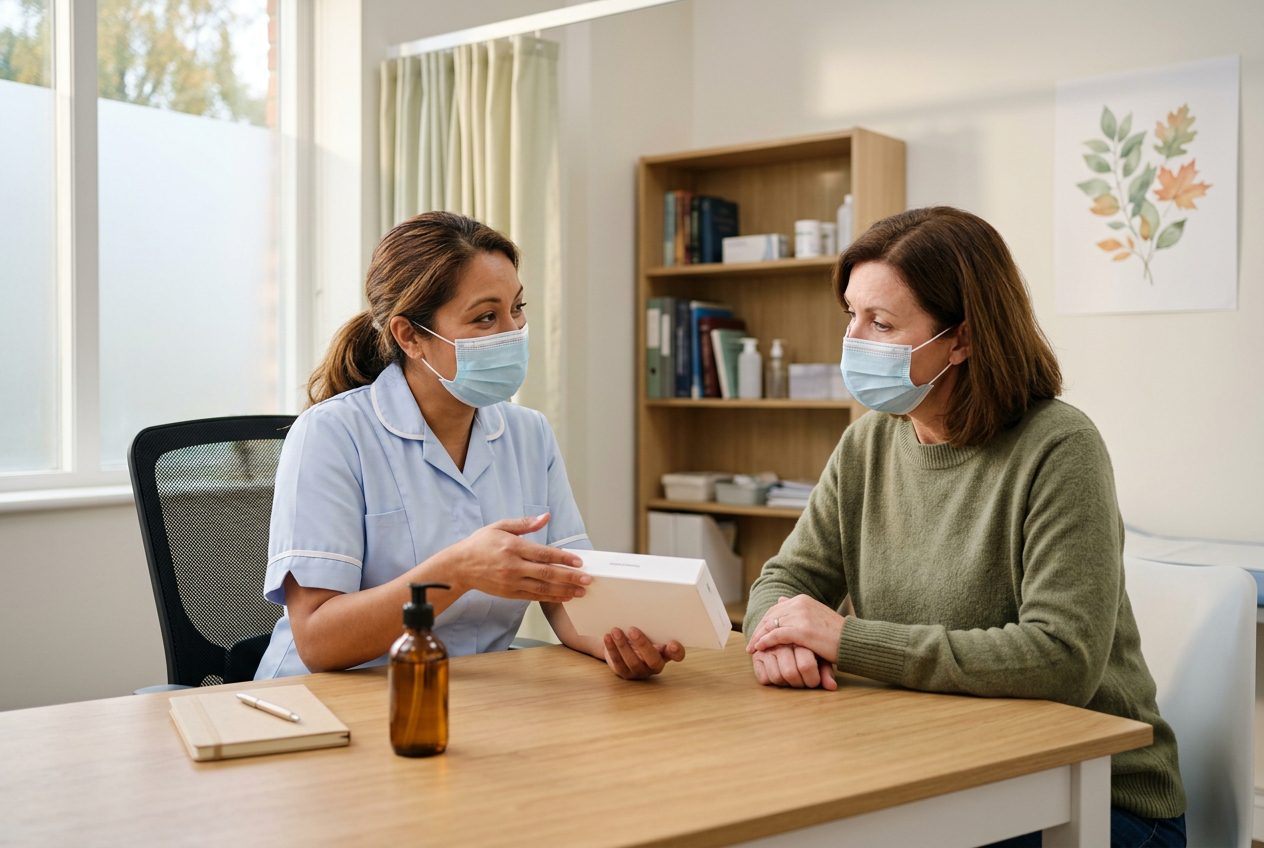
A medical cannabis consultation is an opportunity to discuss your symptoms, diagnosis, previous treatments and personal circumstances with a specialist clinician. Preparing relevant information in advance can help the consultation run smoothly and enable the clinician to assess whether medical cannabis may be an appropriate option for you.
In the UK, medical cannabis is available on prescription only. It must be prescribed by a doctor on the Specialist Register of the General Medical Council, usually after standard treatments have not worked well enough, have caused troublesome side effects or are unsuitable. A consultation does not guarantee that a prescription will be offered. The clinician must make an independent decision based on your medical history, current evidence and your individual circumstances.
Information about your main symptoms and diagnosis
Start by making a clear note of the health problem you would like to discuss. If you have a formal diagnosis, include the name of the condition and when you were diagnosed. If your symptoms have not yet been given a diagnosis, describe what you experience and how it affects your daily life.
- What symptoms do you have, and where are they located?
- When did they begin, and have they changed over time?
- How often do they occur and how long do they last?
- How severe are they on a typical day and during a flare-up?
- What makes them better or worse?
- How do they affect sleep, mobility, work, concentration, mood or usual activities?
Keeping a short symptom diary before your appointment may be helpful. You could record pain or other symptom levels, sleep quality, side effects from existing medicines and any activities you have been unable to do. Clear examples are often more useful than trying to remember everything during the consultation.
Your previous and current treatments
The clinician will need to understand what you have already tried. Prepare a list of prescribed medicines, over-the-counter products, supplements and any non-medical treatments you use. Include the name, strength, dose, how often you take it and whether it is still current.
- Medicines that have helped, even if only partly
- Treatments that did not work or stopped working
- Medicines that caused side effects or had to be stopped
- Physiotherapy, psychological support, surgery or other relevant treatment
- Any previous cannabis-based treatment, including the product, route and effect
If possible, bring an up-to-date medication list from your GP, hospital or regular pharmacy. Do not stop, reduce or replace prescribed medicines before speaking to a healthcare professional. Medical cannabis may interact with other medicines, and the prescribing clinician will need to consider the complete picture.
Relevant medical history
Tell the clinician about past and current health conditions, including conditions that may not seem directly related to your main reason for booking. Important information can include mental health conditions, heart or circulation problems, liver or kidney disease, neurological conditions and a history of seizures.
You should also mention any previous experiences of psychosis, mania or severe reactions to medicines. Be open about alcohol or recreational drug use, as this can affect safety advice and the clinician’s assessment. Sharing this information is part of providing safe, personalised care; it is not intended to judge you.
Prepare details of any allergies or sensitivities, including the reaction you experienced. If you have previously had a serious reaction to cannabis or a cannabis-based medicine, make this clear at the start of the consultation.
Information about pregnancy, breastfeeding and contraception
Tell the clinician if you are pregnant, planning a pregnancy, trying to conceive or breastfeeding. This information is important when considering the potential risks and benefits of any medicine. If there is a possibility that you are pregnant, mention this before a treatment decision is made.
Depending on your circumstances, the clinician may ask about contraception and may recommend avoiding medical cannabis during pregnancy or breastfeeding. Follow the advice you are given and ask questions if anything is unclear.
Your goals and expectations
It can be useful to think about what improvement you would realistically hope to achieve. For example, your goal may be to sleep for longer, reduce the severity of a symptom, improve movement or take part in everyday activities more comfortably.
Medical cannabis is not suitable for everyone and may not remove symptoms completely. Possible benefits, side effects, treatment options and monitoring requirements should be discussed with the prescriber. You may also be advised to continue other treatments alongside any prescribed cannabis-based medicine.
Write down questions in advance. You may wish to ask:
- Why might medical cannabis be considered in my circumstances?
- What benefits and side effects should I expect?
- How would treatment be started and reviewed?
- Could it interact with my existing medicines?
- What should I do if I miss a dose or experience unwanted effects?
- How might treatment affect driving, work or operating machinery?
- How will ongoing treatment and prescriptions be managed?
Safety, driving and practical considerations
Tell the clinician about your work, caring responsibilities and whether you drive or operate machinery. Cannabis-based medicines can cause effects such as drowsiness, dizziness, impaired concentration or changes in alertness, particularly when treatment is started or adjusted. You should follow professional advice and must not drive if you are impaired or otherwise unfit to drive.
Ask how the medicine should be stored and kept away from children and other people. You should only use the product prescribed for you, exactly as directed, and should not share it with anyone else. The prescriber or pharmacy team can explain the product, dosing instructions and what to do if you have concerns.
Documents to have available
If you are attending a private consultation, have identification and relevant medical records available if requested. Helpful documents may include clinic letters, diagnosis reports, treatment summaries, test results and a current prescription list. If another healthcare provider is involved in your care, the specialist may need accurate information from them before making a decision.
Do not worry if you cannot provide every document immediately. Give the clinician as much accurate information as you can and explain what is unavailable. The service may advise whether further records are required before an assessment can be completed.
What happens after the consultation?
The specialist clinician will consider your medical history, symptoms, previous treatments and individual risks. If medical cannabis is not appropriate, they should explain the reasons and discuss suitable next steps where possible. If it is considered appropriate, you should receive information about the proposed medicine, how to use it, possible side effects, monitoring and follow-up.
Bring any concerns to the attention of the clinical team rather than changing your treatment yourself. Seek urgent medical help for severe or rapidly worsening symptoms, or for a serious reaction. A medical cannabis consultation is not a replacement for emergency care.
Book your medical cannabis consultation
Preparing your information can help you have a more focused and useful discussion with the specialist clinician. To discuss whether medical cannabis may be suitable for you, book your medical cannabis consultation with Unicare Pharmacy.