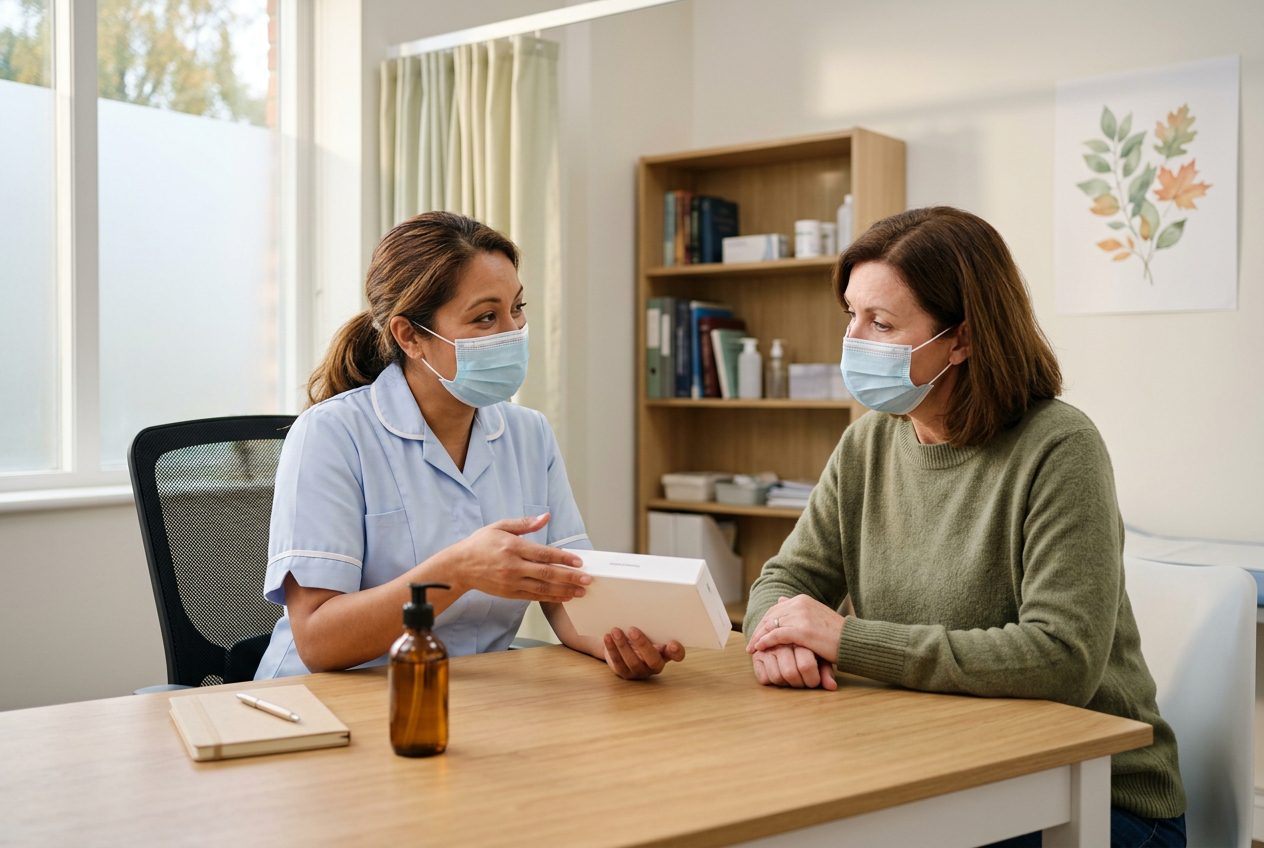

Planning a holiday, visiting family abroad or preparing for a work trip? A travel clinic appointment is an important part of getting ready. Ideally, you should seek travel health advice around six to eight weeks before you leave. This gives enough time to review your itinerary, arrange any recommended vaccinations, discuss malaria prevention and make sure you have the medicines and documents you need.
However, do not worry if your departure is sooner. A travel clinic can still provide useful advice for last-minute travellers, and it is better to seek help late than not at all. Some vaccinations can be given close to departure, while other measures—such as food and water precautions, insect bite prevention and advice about existing medicines—can still reduce health risks during your trip.
Why should you book early?
Travel health advice is personal to you and your trip. The recommendations may depend on the countries and regions you are visiting, the time of year, the length and purpose of your stay, and the activities you plan to undertake. A city break, a beach holiday and a rural volunteering trip may involve very different health considerations.
Booking early allows your pharmacist or travel health professional to:
- Review your full itinerary, including stopovers and internal travel.
- Check your previous vaccination history and identify any gaps.
- Discuss vaccines recommended for your destination and type of travel.
- Plan any multi-dose vaccine courses that may be needed.
- Assess whether malaria tablets or other preventative medicines are appropriate.
- Consider your medical history, allergies, pregnancy, age and regular medicines.
- Give you time to obtain travel documents, prescriptions and suitable medical supplies.
Some vaccines require more than one dose, with doses separated by several weeks. Starting early makes it more likely that you can complete the recommended course before travelling. Even where a full course cannot be completed in time, a travel clinic can advise on the most suitable schedule and any additional precautions.
What if I am travelling in less than six weeks?
Arrange an appointment as soon as possible. There is no benefit in delaying simply because you cannot meet the ideal timeframe. Your travel clinic will prioritise the advice that is most relevant to your departure date and may be able to offer vaccinations or medication during a shorter preparation period.
It is particularly important to seek prompt advice if you are travelling to an area where yellow fever vaccination may be required or recommended. Some countries require proof of yellow fever vaccination for entry, and an International Certificate of Vaccination or Prophylaxis may need to be valid when you arrive. Entry rules can depend on your route, including countries where you have transited, so check the requirements for your complete itinerary.
Travel requirements can change. You should check current government guidance as well as speaking to a travel health professional, particularly if you are travelling soon or visiting several countries.
Vaccinations and vaccine courses
The vaccines you may need depend on your destination and personal circumstances. Travel consultations commonly cover protection against illnesses such as hepatitis A, typhoid, tetanus, diphtheria and polio. Other vaccinations may be considered for particular destinations, activities or health risks.
Some vaccinations involve a single dose, while others are given as a course. Certain courses may take several months to complete, although an accelerated schedule may sometimes be suitable. Your previous vaccination history also matters: you may already have protection from routine childhood or NHS vaccinations, but this should be checked rather than assumed.
If you are travelling with children, are pregnant, have a long-term health condition or take medicines that affect your immune system, allow extra time for a careful assessment. A travel clinic can help you understand which options are suitable and when you may need advice from your GP or specialist.
Malaria prevention and insect bite protection
Malaria prevention is another reason to book early. Whether you need antimalarial medication depends on the country, region, season, accommodation and activities involved. The most appropriate medicine can also depend on your medical history and other medicines you take.
Some antimalarial tablets need to be started before entering a malaria-risk area and continued for a period after leaving. The timing varies according to the medicine, so do not wait until you are abroad to arrange it. Your consultation should also cover practical bite-avoidance measures, including using insect repellent, wearing clothing that covers the skin and taking care around sleeping arrangements.
Remember that no antimalarial medicine provides complete protection on its own. If you develop a fever during travel or after returning from a malaria-risk area, seek urgent medical advice and explain where you have been.
Preparing for seasonal travel
Travel health needs can be seasonal. Summer holidays may involve hot weather, dehydration, sun exposure and more time outdoors, while winter sun trips can still involve insect-borne illnesses and food or water risks. Skiing and other winter sports may require advice about altitude, cold conditions and suitable medicines.
Busy travel periods can also mean that appointments and vaccine supplies are in higher demand. Booking several weeks before departure gives you more flexibility and time to act on the advice provided. It is sensible to arrange your consultation as soon as your destination is confirmed, even if you have not yet booked every excursion.
What to bring to your travel clinic appointment
To make your appointment as useful as possible, bring or have available:
- Your travel dates and a list of every country and region you will visit.
- Details of stopovers, airport transfers and planned activities.
- Your vaccination record, if available.
- A list of your regular medicines, including doses.
- Information about allergies, previous vaccine reactions and medical conditions.
- Details of pregnancy, planned pregnancy or breastfeeding where relevant.
If you are unsure about any of this information, still attend your appointment. Your pharmacist can help identify what needs checking and explain the next steps.
Book your travel health appointment
The best time to visit a travel clinic is around six to eight weeks before your trip, but useful advice is available even at short notice. Protect your plans by arranging a personalised consultation, checking your vaccinations and discussing any medicines you may need.
Book your Travel Clinic appointment with Unicare Pharmacy and prepare for your journey with confidence.