
Booking a private STI screening appointment can feel daunting, particularly if you have never had one before. However, screening is a routine healthcare service designed to help you understand your sexual health, identify infections early and access appropriate advice or treatment.
A pharmacy appointment offers a convenient and confidential way to discuss your concerns with a trained healthcare professional. You will be treated respectfully and without judgement, whether you have symptoms, have had sex without a condom, are starting a new relationship or simply want reassurance.
Before your appointment
When booking, you may be asked for some basic information, such as your preferred appointment time and the service you would like. You do not usually need to provide intimate details when making the booking itself.
It can be helpful to think about the information you may wish to discuss during the appointment, including:
- When you last had sex and whether a condom or other barrier was used
- Whether you have had vaginal, oral or anal sex, as this can affect which samples are appropriate
- Any symptoms you have noticed and when they began
- Whether you or a partner has been diagnosed with an STI
- Any recent testing, treatment or medication
You should be honest with the healthcare professional. This helps them recommend the most suitable tests and advice. You will not be judged, and you can ask questions at any point.
Arriving at a confidential appointment
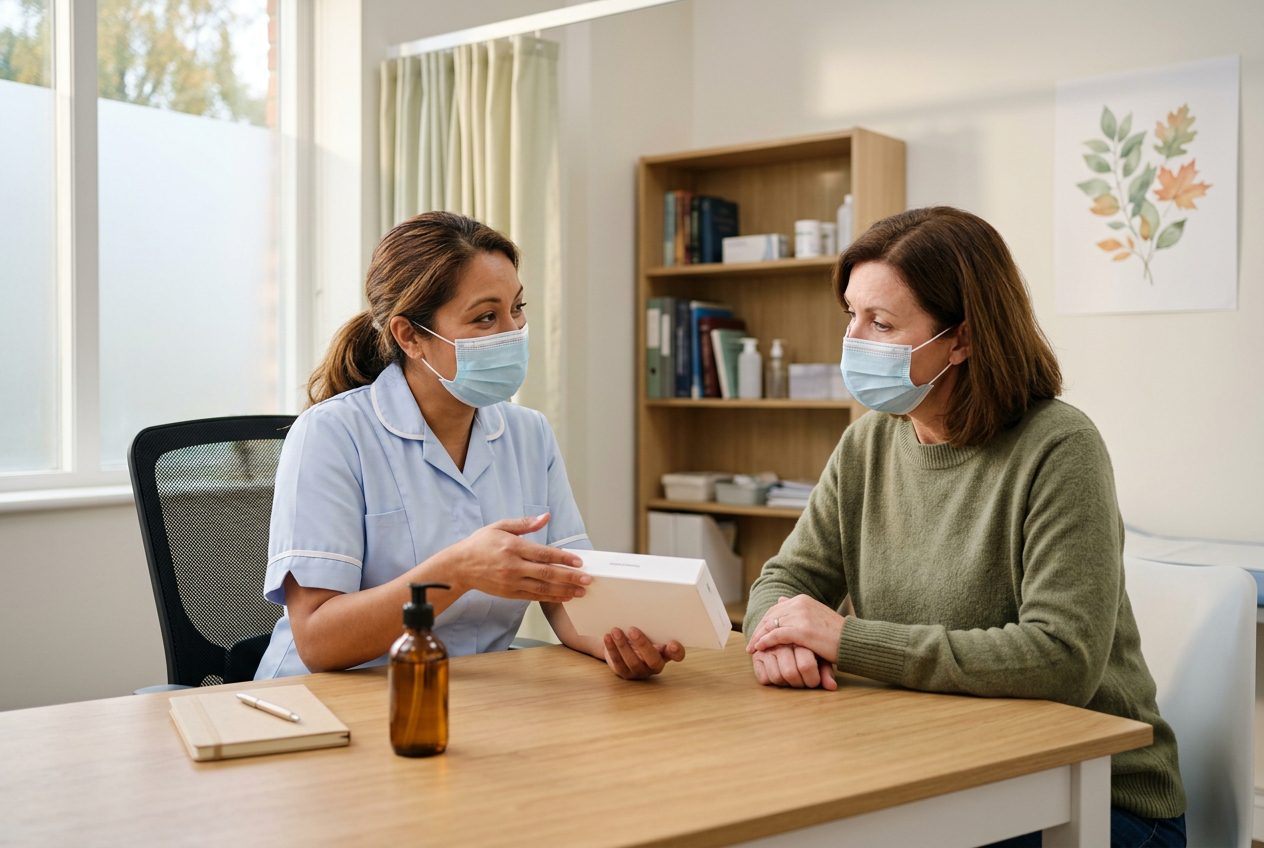
Private STI screening appointments are arranged to protect your privacy. You will be seen in a consultation room or another suitable private area, away from the public pharmacy counter. The healthcare professional will confirm your details and explain how the consultation will work before asking questions about your sexual health.
Confidentiality is an important part of healthcare. Information discussed during your appointment and the results of any tests are handled securely in line with professional and legal requirements. The healthcare professional will explain how your information is used and how you will receive your results.
You are in control of the consultation. You can ask for an explanation before any examination or test, and you can pause or stop at any time. If you are unsure about anything, tell the healthcare professional so they can support you properly.
Questions about your sexual health
The consultation usually begins with a private conversation. This is not an interrogation: the questions are used to understand your individual risk and make sure you receive relevant care.
You may be asked about your partners, the types of sex you have had, condom use, previous STIs and any symptoms. You do not need to feel embarrassed. These questions are asked routinely and professionally, and accurate information helps prevent unnecessary tests while making sure important infections are not missed.
You should mention any symptoms, even if they seem minor. Possible symptoms of an STI can include unusual discharge, pain when passing urine, itching, sores, blisters, lumps, bleeding after sex or pain in the lower abdomen or testicles. Some infections cause no symptoms at all, which is why testing can still be useful when you feel well.
What tests might be offered?
The tests recommended will depend on your symptoms, sexual history, timing of exposure and the services available through the pharmacy. Screening may involve a urine sample, a swab or a blood test. Some swabs are self-taken with clear instructions, while others may be taken by a healthcare professional where appropriate.
Different tests look for different infections. For example, urine or swab tests may be used for infections such as chlamydia and gonorrhoea, while a blood test may be considered for infections such as HIV or syphilis. Not every infection can be detected by one test, and a screening package does not necessarily test for every possible STI.
The healthcare professional will explain which tests are suitable and what they involve. If a sample is not appropriate on the day, you may be advised to attend a specialist sexual health clinic or another healthcare service.
Timing and the window period
An STI may not be detectable immediately after exposure. The time between possible exposure and a test becoming reliable is sometimes called the window period. This varies according to the infection, the type of test and the circumstances.
If you have tested soon after a sexual contact, the healthcare professional may recommend testing again later, even if your first result is negative. They will explain the timing that applies to your situation. If you have symptoms or a partner has tested positive, do not wait for a routine screening appointment without seeking advice; you may need assessment sooner.
Receiving your results
You will be told how and when your results will be provided. This may be by a secure method, telephone call or another agreed process, depending on the service. You should make sure the pharmacy has the correct contact details and tell the team if it is not safe to leave a voicemail or send a message.
A negative result means that the infection tested for was not detected at the time of testing. It does not always rule out an infection acquired very recently, and it does not protect against future infection. The healthcare professional can explain whether further testing is advisable.
If a result is positive or requires further investigation, you will be given clear advice about the next steps. Depending on the infection, this may include treatment, a referral to a sexual health clinic, partner notification and avoiding sex until it is safe to do so. Do not share prescribed medication with anyone else, and follow the treatment instructions carefully.
When to seek urgent advice
Private pharmacy screening is suitable for many routine concerns, but it is not an emergency service. Seek urgent medical help if you have severe pelvic or abdominal pain, sudden testicular pain or swelling, heavy bleeding, a high temperature with worsening symptoms, or feel seriously unwell.
If you think you may have been exposed to HIV recently, seek urgent advice from an accident and emergency department or sexual health service about post-exposure prophylaxis. It works best when started as soon as possible and must be assessed urgently.
If you are pregnant or may be pregnant and have symptoms or concerns about an STI, tell the healthcare professional. You may need prompt care through a GP, midwife or specialist sexual health service.
Feeling prepared and supported
You do not need to know which STI test to request before booking. The purpose of the consultation is to assess your circumstances, answer your questions and guide you towards suitable testing or care. Wear whatever you feel comfortable in, and allow enough time for a private discussion and sample collection.
Arranging a screening appointment is a responsible step for your own health and the health of your partners. Whether you need reassurance, have noticed symptoms or want advice after a particular sexual contact, confidential support is available.
Book a confidential sexual health appointment
Take the next step with professional, discreet support. Book your private STI screening appointment with Unicare Pharmacy today.