
When you feel unwell, getting timely advice can make a real difference. Pharmacy First is an NHS service designed to help patients in England access clinical assessment and treatment for certain common conditions directly from a participating community pharmacy, without needing to contact their GP surgery first.
Your pharmacist is a trained healthcare professional who can assess symptoms, advise on self-care, recommend suitable treatments and, where appropriate, provide NHS treatment for specific conditions. If your symptoms need further investigation or you require a different type of care, they can advise you on the most appropriate next step.
Pharmacy First can be particularly useful for problems that are uncomfortable and need prompt attention, but may not require a GP appointment. It also helps ensure GP appointments remain available for more complex health concerns.
What happens during a Pharmacy First consultation?
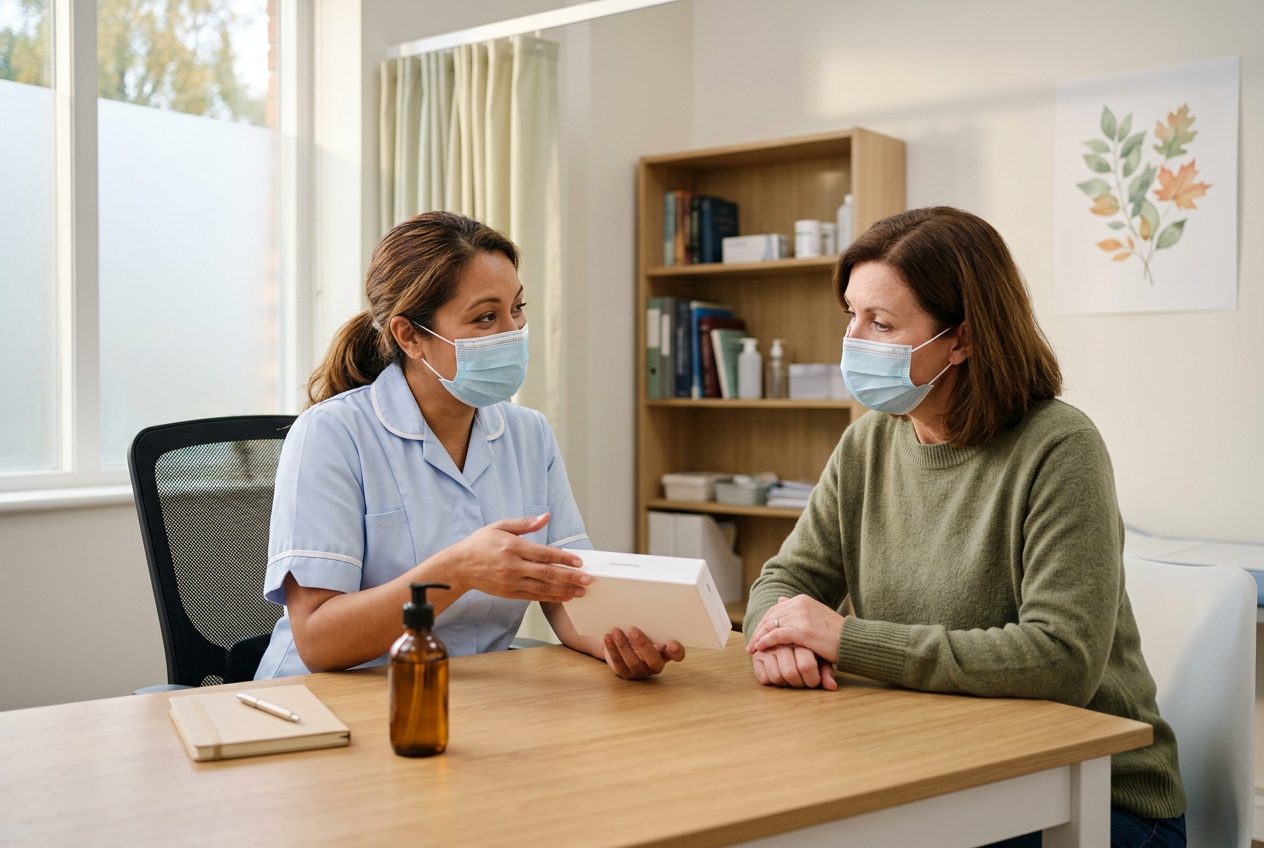
A Pharmacy First consultation is private and confidential. The pharmacist will ask about your symptoms, how long they have been present, any medicines you take, allergies, medical conditions and relevant recent health history.
Depending on the condition, the pharmacist may examine the affected area or ask you questions to establish whether Pharmacy First is appropriate. They will then explain their assessment and discuss the available options. This may include:
- Advice on managing symptoms at home
- Recommendations for over-the-counter medicines
- Treatment supplied under the NHS service, where clinically appropriate
- Safety-netting advice, including symptoms that should prompt urgent medical attention
- Referral to your GP, urgent treatment centre, NHS 111, dentist, optician or another service if needed
Not every symptom will be suitable for treatment through Pharmacy First. This is not a limitation of the service; it is an important part of safe clinical care. Pharmacists are trained to recognise when a condition may need a GP review, tests, specialist care or urgent assessment.
Conditions that Pharmacy First may cover
The NHS Pharmacy First service in England covers seven common conditions. Eligibility depends on factors such as age, symptoms, medical history and the pharmacist’s clinical assessment.
Sinusitis
Sinusitis can cause facial pain or pressure, a blocked or runny nose, reduced sense of smell and nasal discharge. It often follows a cold and may improve with rest, fluids and symptom relief. However, persistent or more severe symptoms can be unpleasant and may need professional assessment.
Pharmacy First may be available for sinusitis in people aged 12 years and over. The pharmacist will assess your symptoms and check for signs that could suggest you need a different type of medical review.
Sore throat
Sore throats are very common and are often caused by viral infections. Symptoms may include pain when swallowing, swollen glands, fever or red, inflamed tonsils. Most improve without antibiotics, but some bacterial infections may require treatment after a clinical assessment.
Pharmacy First may assess sore throats in children and adults aged 5 years and over. The pharmacist will consider your symptoms carefully, including whether there are warning signs such as difficulty breathing, drooling, severe swelling or inability to swallow fluids.
Acute otitis media
Acute otitis media is a middle-ear infection that commonly affects children. It can cause earache, fever, irritability, reduced hearing or difficulty sleeping. Many ear infections settle naturally, although some children may need treatment or further assessment.
Under Pharmacy First, acute otitis media may be assessed for children aged from 1 year up to 17 years. A pharmacist can advise parents and carers on pain relief, monitoring and when to seek further help.
Infected insect bites
Insect bites and stings can become red, sore and swollen. Sometimes scratching or skin damage can lead to infection. An infected bite may feel increasingly painful, warm or tender, and redness may spread around the area.
Pharmacy First may be able to help with infected insect bites for patients aged 1 year and over. It is important to seek urgent help if there are signs of a serious allergic reaction, such as difficulty breathing, swelling of the face or throat, widespread hives, dizziness or collapse.
Impetigo
Impetigo is a contagious bacterial skin infection. It often begins with red sores or blisters that burst and leave golden-brown crusts. It can occur anywhere on the body but is commonly seen around the nose and mouth, especially in children.
Pharmacy First may assess impetigo in people aged 1 year and over. The pharmacist can discuss treatment, hygiene measures and ways to reduce the risk of passing the infection to others, such as regular handwashing and not sharing towels or face cloths.
Shingles
Shingles is caused by reactivation of the chickenpox virus. It usually causes a painful, tingling or burning rash on one side of the body. The rash may develop into fluid-filled blisters. Prompt assessment is important, as treatment may be most effective when started early.
Pharmacy First may be available for shingles in adults aged 18 years and over. Shingles affecting the eye, changes in vision, a rash near the eye, severe headache, facial weakness or serious illness require urgent medical assessment.
Uncomplicated urinary tract infections in women
A urinary tract infection, often called a UTI, may cause burning or stinging when passing urine, needing to pass urine more often, sudden urgency, cloudy urine or lower tummy discomfort. Pharmacy First may assess uncomplicated UTIs in women aged 16 to 64 years.
Some symptoms need a different route of care. These include fever, shivering, pain in the back or side below the ribs, vomiting, visible blood in the urine, pregnancy, recurrent infections or feeling very unwell. Men, children and older adults with possible UTI symptoms may also need assessment through another healthcare service.
When Pharmacy First may not be the right option
Seek urgent help by calling 999 or attending A&E if there are signs of a life-threatening emergency, such as severe difficulty breathing, chest pain, loss of consciousness, a severe allergic reaction or symptoms of stroke.
For other urgent but non-life-threatening concerns, NHS 111 can help you decide what to do. You should also contact a healthcare professional promptly if symptoms are severe, rapidly worsening, unusual for you, or accompanied by concerning signs such as dehydration, confusion, a very high fever, stiff neck, severe pain or a widespread rash.
Pharmacy First is intended for specific uncomplicated conditions. If you have a long-term health condition, are immunosuppressed, are taking certain medicines, or have symptoms that do not fit the usual pattern, the pharmacist may recommend a GP appointment or another healthcare service. This is to make sure you receive the safest and most suitable care.
How to prepare for your visit
To make your consultation as straightforward as possible, bring details of any medicines you currently use, including prescribed medicines, inhalers, creams, supplements and medicines bought without a prescription. Let the pharmacist know about allergies, pregnancy or breastfeeding, long-term conditions and recent treatment for the same problem.
If you are attending on behalf of a child or another family member, it can help to know when their symptoms started, whether they have had a fever, what treatment they have already tried and whether symptoms are improving or getting worse.
Remember that the final decision about treatment is made by the pharmacist after their clinical assessment. If treatment is not appropriate through Pharmacy First, you will still receive clear advice about what to do next.
Book a Pharmacy First consultation
If you have symptoms of one of the conditions covered by Pharmacy First, a prompt consultation with a pharmacist may help you get the right advice and treatment without waiting for a GP appointment. To arrange your visit, book the service with Unicare Pharmacy.