
A summer holiday should be a chance to relax, explore and enjoy a change of scenery. Whether you are planning a family beach break, a backpacking adventure, a cruise or a visit to friends and relatives abroad, a little health preparation can help you travel with greater confidence.
Travel health needs vary widely depending on where you are going, how long you will be away, the activities you have planned and your individual medical history. Some destinations may require travel vaccinations, malaria prevention tablets or practical advice on avoiding insect bites, food-borne illness and sun-related problems.
Arranging your travel health appointment well before departure gives you time to receive any recommended vaccines, discuss malaria risks and obtain medicines you may need while away. Use this checklist to help you prepare for a safer summer trip.
Book your travel health appointment early
Ideally, arrange travel health advice six to eight weeks before you leave. Some vaccines need time to provide protection, and certain courses involve more than one dose spread over several weeks. Even if you are travelling sooner, it is still worth booking an appointment, as there may be vaccines, malaria tablets or other precautions that can be arranged at short notice.
Bring as much information as possible to your consultation, including:
- Your destination or destinations, including any stopovers
- Your travel dates and expected duration of stay
- Your planned activities, such as trekking, camping, diving or visiting rural areas
- Details of previous travel vaccines, if available
- Any medical conditions, allergies or regular medicines
- Whether you are pregnant, trying for a baby or breastfeeding
- Whether you are travelling with children or older relatives
A travel health professional can use this information to provide advice tailored to your itinerary. Risks may differ between regions of the same country, and they can change according to the season, type of accommodation and length of travel.
Check which travel vaccines may be recommended
Vaccination recommendations are based on your destination and personal circumstances. Routine UK immunisations should also be up to date before travelling. These may include protection against illnesses such as tetanus, diphtheria, polio, measles, mumps and rubella.
Depending on where you are travelling, vaccines that may be considered include hepatitis A, typhoid, hepatitis B, rabies, Japanese encephalitis, yellow fever, cholera, meningococcal disease and tick-borne encephalitis. Not every traveller will need every vaccine. Your recommendation should reflect the likelihood of exposure and the nature of your trip.
For example, a short stay at a resort may involve different considerations from extended travel through rural areas, working overseas, visiting friends and relatives, or travelling where access to medical care could be limited. Travellers staying with family abroad may spend more time eating local food, visiting smaller towns or being exposed to mosquitoes than they would in a hotel setting.
Some countries require proof of yellow fever vaccination for entry, particularly when arriving from a country where yellow fever is present. Entry requirements can change, so it is important to check these in good time. If you receive a yellow fever vaccination, you may be issued an International Certificate of Vaccination or Prophylaxis where appropriate.
Understand malaria risk before you travel
Malaria is spread through bites from infected mosquitoes in parts of Africa, Asia, Central and South America, the Caribbean and the Middle East. The level of risk can vary considerably by country and region, and it is important not to assume that a popular tourist destination is malaria-free.
Where malaria prevention tablets are recommended, the most suitable option will depend on your destination, travel dates, length of stay, age, weight, medical history and other medicines. Different antimalarials are started at different times before travel and may need to be continued after you return. Take them exactly as advised and do not stop early unless you have been told to do so by a healthcare professional.
Malaria tablets reduce risk but do not provide complete protection. Preventing mosquito bites remains essential. A useful approach is to remember the importance of avoiding bites from dusk until dawn in malaria-risk areas, although some mosquitoes that carry other illnesses bite during the daytime too.
- Use an effective insect repellent on exposed skin, following the product instructions
- Wear loose, long-sleeved clothing and long trousers, particularly in the evening
- Sleep in air-conditioned accommodation where possible or use mosquito nets
- Consider clothing and nets treated with an appropriate insecticide
- Keep doors and windows closed or screened where practical
If you develop a fever, flu-like illness, chills, sweats or feel unwell during travel or after returning from a malaria-risk area, seek urgent medical advice and mention your travel history. Malaria can become serious quickly, and symptoms can occur after you are back in the UK.
Prepare a sensible travel medicine kit
A well-planned travel medicine kit can make minor illnesses and injuries easier to manage, particularly if you are visiting remote locations or travelling with children. The contents should be appropriate for your needs, destination and planned activities.
Common items to consider include pain relief, oral rehydration salts, treatment for diarrhoea, antihistamines, plasters, antiseptic wipes, blister dressings, a thermometer, insect repellent and sunscreen. If you have a history of allergies, asthma or other ongoing conditions, make sure you have enough of your usual medicines and any necessary devices, such as inhalers or adrenaline auto-injectors.
Keep regular medicines in their original labelled packaging and carry them in your hand luggage where possible. It is sensible to take enough for the full trip plus a small extra supply in case of delays. A copy of your prescription or a letter from your prescriber may be helpful, particularly for controlled medicines, injectable treatments or medicines that may be restricted in your destination country.
Rules around medicines differ internationally. Check whether your medicines are permitted at your destination before you travel, especially if they contain controlled drugs or need to be carried with needles, syringes or refrigeration.
Reduce the risk of food, water and sun-related illness
Holiday illness is not always caused by an exotic infection. Changes in climate, food, alcohol intake and routines can all affect how you feel. Careful choices can reduce the chance of common problems such as travellers’ diarrhoea, dehydration, heat exhaustion and sunburn.
In areas where food and water hygiene may be uncertain, take care with drinking water, ice and uncooked foods. Choose food that has been thoroughly cooked and served hot, and wash your hands regularly or use hand sanitiser when soap and water are unavailable. If diarrhoea occurs, drink plenty of safe fluids and use oral rehydration salts if needed. Seek medical advice promptly if there is blood in the stool, a high fever, signs of dehydration or severe or persistent symptoms.
Summer heat can be more intense than expected, especially when sightseeing, exercising or spending long periods outdoors. Drink regularly, take breaks in the shade, wear a hat and lightweight clothing, and use broad-spectrum sunscreen with an appropriate sun protection factor. Reapply sunscreen as directed, particularly after swimming, sweating or towel drying.
Remember insurance and health planning
Travel insurance is an important part of your preparation. Make sure your policy covers your destination, planned activities and any pre-existing medical conditions. Activities such as skiing, scuba diving, motorcycle riding, trekking at altitude or adventure sports may require additional cover.
If you are travelling within Europe, check the current arrangements for accessing healthcare and consider carrying the appropriate health insurance documentation where relevant. However, this should not be treated as a replacement for comprehensive travel insurance.
It is also wise to know how to access emergency help at your destination, save important contact numbers and tell a travel companion about any significant medical conditions or allergies. If you are travelling alone, share your itinerary with someone you trust.
Book your Travel Clinic appointment
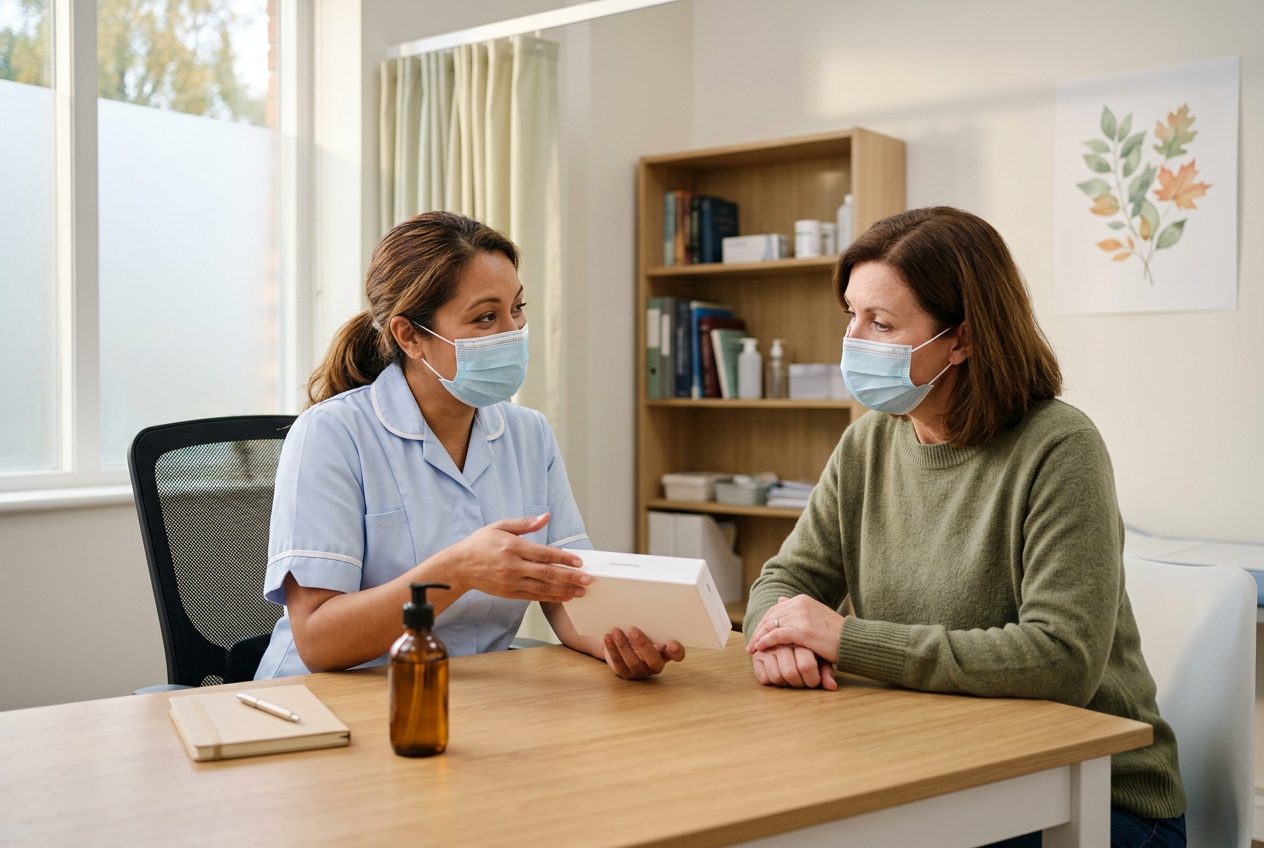
Travel health advice is most effective when it is personal to you and your journey. A Travel Clinic consultation can help you understand recommended vaccines, malaria prevention options and the practical medicines to arrange before you go.
For tailored support before your summer trip, book your Travel Clinic appointment with Unicare Pharmacy.