
Winter often brings a mixture of coughs, colds, sore throats, blocked sinuses and other minor illnesses. Most improve with time, rest and sensible self-care, but it can be difficult to know when you should manage symptoms at home, speak to a pharmacist or seek urgent medical help. Pharmacy First provides convenient access to clinical advice and treatment for several common conditions, helping you receive appropriate care without always needing a GP appointment.
What is Pharmacy First?
Pharmacy First is an NHS service available through participating pharmacies in England. Trained pharmacists can assess certain common conditions, offer advice and, where clinically appropriate, supply prescription-only treatment under the service. You may be referred to Pharmacy First by another healthcare professional, or you can contact a participating pharmacy directly.
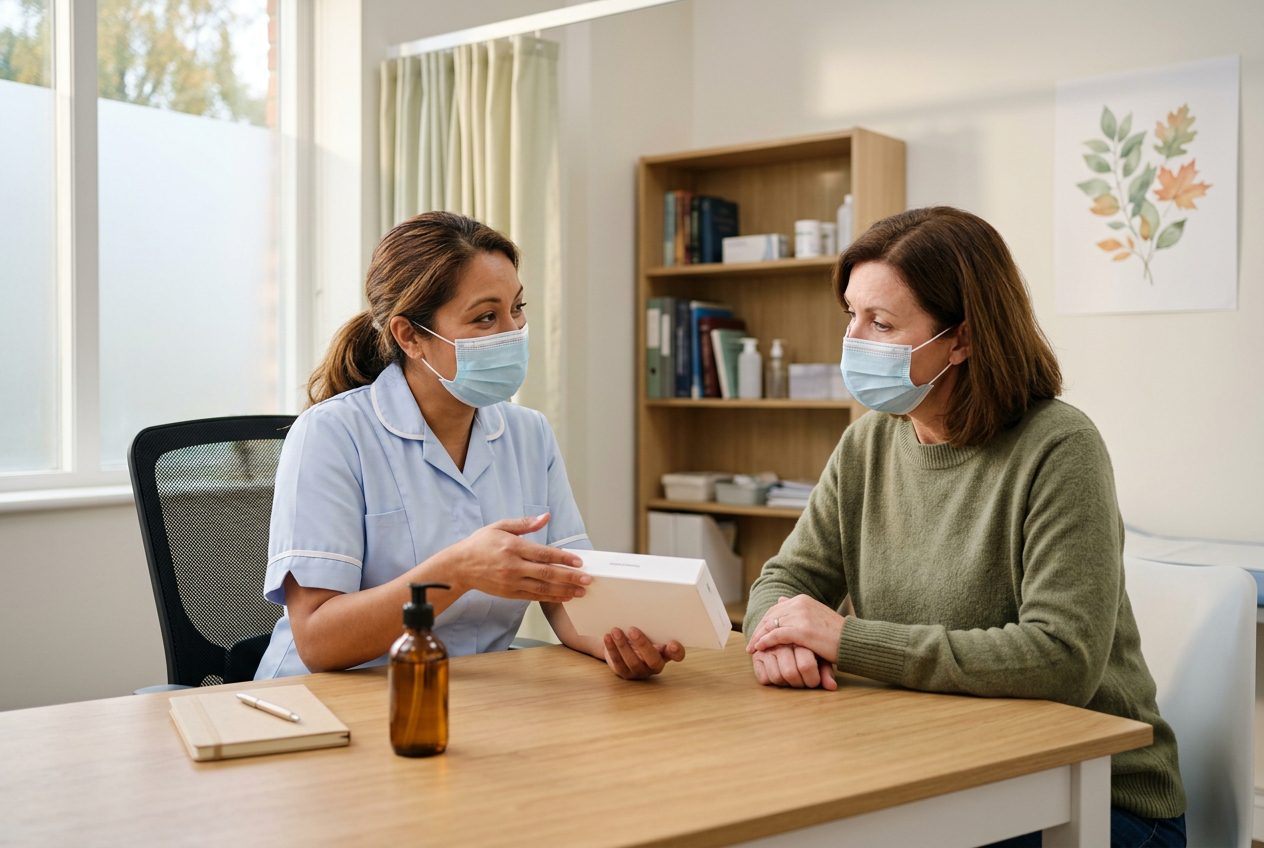
The pharmacist will ask about your symptoms, medical history, medicines and any relevant allergies. They may examine the affected area or take other clinical information before recommending treatment. If your symptoms suggest something more serious, or if another type of assessment is needed, the pharmacist will refer you to an appropriate healthcare professional.
Pharmacy First is not intended to replace emergency care. It also does not mean that antibiotics are needed for every infection. Many winter illnesses are caused by viruses, against which antibiotics do not work. Your pharmacist will explain the safest and most effective treatment for your particular symptoms.
Conditions covered by the Pharmacy First service
The Pharmacy First clinical pathways cover a defined range of conditions. Age requirements and clinical suitability apply, so the pharmacist will confirm whether the service is appropriate for you.
- Sinusitis: for people aged 12 and over, where symptoms may include facial pain or pressure, a blocked or runny nose and reduced sense of smell.
- Sore throat: for people aged five and over. The pharmacist can assess the throat and discuss symptom relief, while identifying signs that may require further care.
- Acute otitis media: an ear infection in children aged one to 17. The pharmacist will assess symptoms such as earache, reduced hearing or fever and advise on suitable treatment.
- Infected insect bites: for people aged one and over. This can be particularly relevant when bites become increasingly red, painful, swollen or develop discharge.
- Impetigo: a contagious bacterial skin infection affecting people aged one and over. It often causes blisters or sores that form golden-brown crusts.
- Shingles: for people aged 18 and over. Early assessment is important because antiviral treatment may be considered for some people, particularly when started promptly.
- Uncomplicated urinary tract infections: for women aged 16 to 64 who meet the service criteria.
The Pharmacy First service does not cover every cough, cold or flu symptom through a specific clinical pathway. Nevertheless, a pharmacist can still provide advice about many minor winter illnesses, recommend suitable over-the-counter treatment and tell you when to contact your GP or another service.
Winter symptoms your pharmacist can help with
A cold commonly causes a runny or blocked nose, sneezing, a sore throat and a cough. Flu can cause a sudden fever, aching muscles, tiredness, headache and a dry cough. Pharmacists can advise on rest, fluids and symptom relief, including whether products such as paracetamol, ibuprofen, saline nasal sprays or cough remedies are suitable for you.
Always check the ingredients in combination cold and flu products. Some already contain paracetamol, and taking additional paracetamol at the same time could lead to an unsafe dose. Ibuprofen and other anti-inflammatory medicines are not suitable for everyone, including some people with a history of stomach ulcers, certain kidney conditions or particular types of asthma. If you are pregnant, take regular medicines or have a long-term health condition, ask your pharmacist before starting a new product.
Antibiotics are not usually helpful for uncomplicated colds, most coughs or flu because these illnesses are generally viral. A pharmacist can explain what to expect, how to monitor your symptoms and whether you need a clinical assessment.
When to seek advice from a pharmacist
Contact a pharmacy if your symptoms are troubling you, are not improving as expected or you are unsure which treatment is safe. It is especially sensible to ask for advice if you are pregnant, aged 65 or over, caring for a young child, or living with a condition such as asthma, chronic obstructive pulmonary disease, diabetes or a weakened immune system.
You should also speak to a pharmacist if a sore throat is severe or persistent, sinus symptoms are causing significant facial pain, an earache is affecting a child, or a skin problem is becoming more painful or spreading. Bring details of any medicines you take and mention allergies or previous reactions to treatment.
When to seek urgent or emergency help
Some symptoms need medical attention without delay. Call 999 or attend A&E if someone is struggling to breathe, has severe chest pain, becomes unresponsive, has a seizure, or develops sudden confusion or a blue, grey or unusually pale appearance. A severe allergic reaction causing swelling of the lips, mouth or throat also requires emergency help.
Seek urgent advice through NHS 111, your GP or an urgent treatment service if you have difficulty breathing, cannot swallow fluids, are becoming dehydrated, have a very high temperature with a rapidly worsening condition, or feel seriously unwell. A child who is unusually drowsy, difficult to wake, breathing rapidly or showing signs of dehydration should be assessed urgently.
A rash that does not fade when pressed against a glass, severe headache with a stiff neck, or a rapidly spreading area of redness and swelling also needs prompt medical assessment. If you are worried about symptoms, it is safer to ask for advice rather than relying on self-care alone.
Preparing for your Pharmacy First consultation
Before contacting the pharmacy, make a note of when your symptoms began, whether they are getting better or worse, and any treatments you have already tried. Have your NHS number available if you know it, although the pharmacy can explain what information is required. Tell the pharmacist about pregnancy, breastfeeding, allergies and regular medicines, including products bought from another pharmacy or a supermarket.
Consultations are carried out privately. Depending on the pharmacy and your circumstances, the pharmacist may provide advice, recommend an over-the-counter medicine, supply treatment under the Pharmacy First pathway or arrange onward referral. Follow the instructions carefully and seek further advice if symptoms do not improve, return or become more severe.
Book your Pharmacy First consultation
If you have a winter illness and would like professional advice about the next step, book your Pharmacy First service with Unicare Pharmacy. Our team can assess whether the service is suitable and help you access appropriate advice and treatment.