
Autumn is a popular time to travel. Many people look forward to warmer weather abroad, city breaks, long-haul holidays and visits to friends and family once the summer season has ended. However, travelling in autumn can still involve important health considerations, including changing weather conditions, mosquito-borne diseases, food and water risks, and different vaccination requirements.
Ideally, you should visit a travel clinic around six to eight weeks before you leave. This gives you time to receive any recommended vaccines, complete a course of injections where necessary, arrange malaria prevention and obtain suitable travel medicines. It also allows you to discuss any medical conditions, regular prescriptions or particular concerns before your journey.
Why book a travel clinic appointment early?
Travel health advice is based on your destination, the areas you plan to visit, the time of year, the type of accommodation and the activities you intend to do. A beach resort holiday may involve different risks from a rural trekking trip, while visiting friends and relatives can involve travel to areas that tourists do not usually visit.
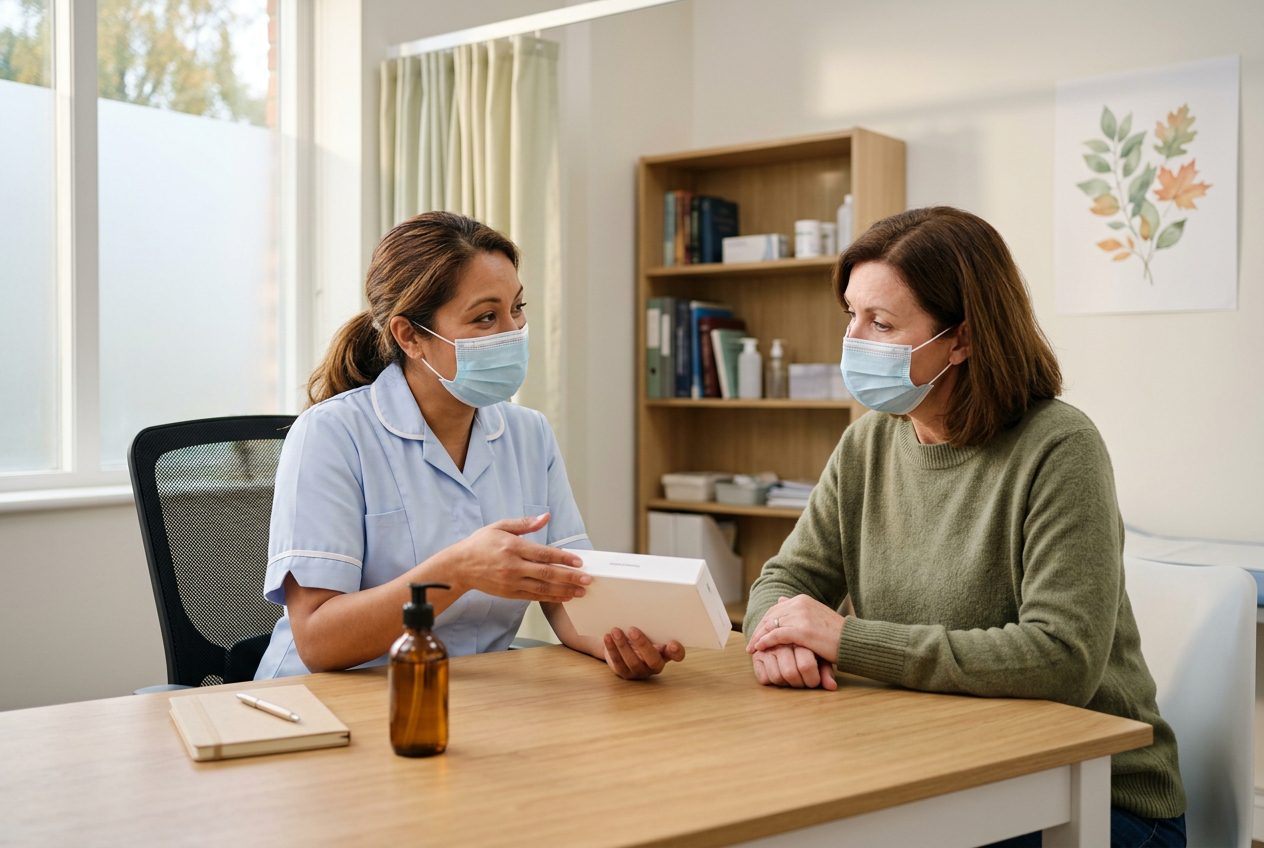
Booking early allows a pharmacist or other qualified travel health professional to assess these details properly. Some vaccinations are given as a single dose, while others require more than one dose over a period of weeks. Certain vaccines may also need time to provide the best protection before departure.
An early appointment can also help you organise:
- Recommended or required travel vaccinations
- Malaria prevention advice and, where appropriate, antimalarial medicines
- Advice about insect bite prevention, food and water safety, and sun protection
- Travel supplies such as rehydration sachets, suitable first-aid items and medicines for common illnesses
- Documentation for regular medicines, including prescriptions and letters where needed
Is six to eight weeks always necessary?
Six to eight weeks is a helpful planning target, rather than an absolute rule. The amount of notice required depends on your destination and personal circumstances. Some travellers need advice several months before departure, particularly if they are visiting multiple countries, taking part in specialist activities or require a longer vaccination schedule.
On the other hand, you should still contact a travel clinic if your autumn trip is only a few weeks away. It may be possible to provide useful vaccinations, prescribe appropriate malaria prevention and explain practical steps to reduce your risk. Even when there is limited time, a consultation can identify important precautions that you may not have considered.
Do not assume that a last-minute appointment is pointless. Travel health advice can remain valuable right up to the day of departure, although it is always better not to delay where you can avoid it.
Autumn travel health considerations
Changing weather and seasonal conditions
Autumn weather varies considerably between destinations. A warm destination may still have intense sun and high humidity, while some areas experience the end of a rainy season, storms or cooler evenings. In other countries, autumn may bring colder temperatures and a greater risk of respiratory infections.
Ask for advice on suitable clothing, sun protection, hydration and managing changes in temperature. If you are travelling from the UK to a much warmer climate, take time to adjust and avoid excessive sun exposure, particularly during the hottest part of the day.
Mosquitoes and other insects
Mosquito-borne illnesses can remain a concern in many destinations during autumn. Risk depends on the country, region and season, so advice should be tailored to your itinerary rather than based solely on the time of year.
Protection may include covering exposed skin, using an effective insect repellent, sleeping under a mosquito net where appropriate and choosing accommodation with screens or air conditioning. Depending on the destination, antimalarial tablets may also be recommended. If so, you may need to start taking them before travel and continue after returning home, according to the medicine and advice provided.
Vaccinations
Some destinations may have vaccination recommendations, while others may have entry requirements. The vaccines you need will depend on your travel plans and previous vaccination history. Bring any available vaccination records to your appointment, as these can help the travel health professional advise you more accurately.
Routine UK vaccinations should also be kept up to date. A travel consultation is an opportunity to check whether you need to catch up with routine immunisations as well as considering destination-specific protection.
What to bring to your appointment
To make your consultation as useful as possible, bring details of your complete itinerary. Include every country and region you will visit, even if you are only changing planes or taking a short excursion. Tell the clinician whether you will be staying in hotels, hostels, private accommodation or camping, and mention activities such as hiking, diving, animal contact or visiting remote areas.
You should also provide:
- Your planned departure date and length of stay
- Details of any previous travel vaccinations, if available
- A list of prescribed and over-the-counter medicines
- Information about allergies, long-term conditions, pregnancy or plans to become pregnant
- Details of any relevant previous reactions to vaccines or medicines
If you take regular medication, check how much you will need for the whole trip and whether the medicine is permitted in the destination country. Some medicines require additional documentation or may be subject to restrictions. Keeping medicines in their original packaging and carrying them in your hand luggage is often advisable, but you should obtain destination-specific guidance.
What if you are travelling in less than six weeks?
Arrange an appointment as soon as possible. A travel clinic can review your destination and recommend the most appropriate steps within the time available. You may still be able to receive certain vaccines or begin malaria prevention, and you can receive advice on avoiding illnesses that vaccines cannot prevent.
Do not buy travel medicines from an unverified source or rely on advice intended for a different destination. Health risks can vary between neighbouring countries and even between urban and rural areas. Professional advice helps ensure that your preparation matches your actual itinerary.
Plan ahead for a healthier autumn journey
Visiting a travel clinic six to eight weeks before an autumn trip gives you the best opportunity to prepare calmly and thoroughly. Earlier advice may be sensible for complex itineraries or multi-dose vaccinations, while a later appointment can still be worthwhile if your departure is approaching.
By discussing your plans with a qualified travel health professional, you can make informed decisions about vaccinations, malaria prevention, medicines and everyday precautions. This preparation can help you travel with greater confidence and return home safely.
Book your travel clinic appointment
Planning an autumn trip? Book your Travel Clinic appointment with Unicare Pharmacy and receive advice tailored to your destination and travel plans.