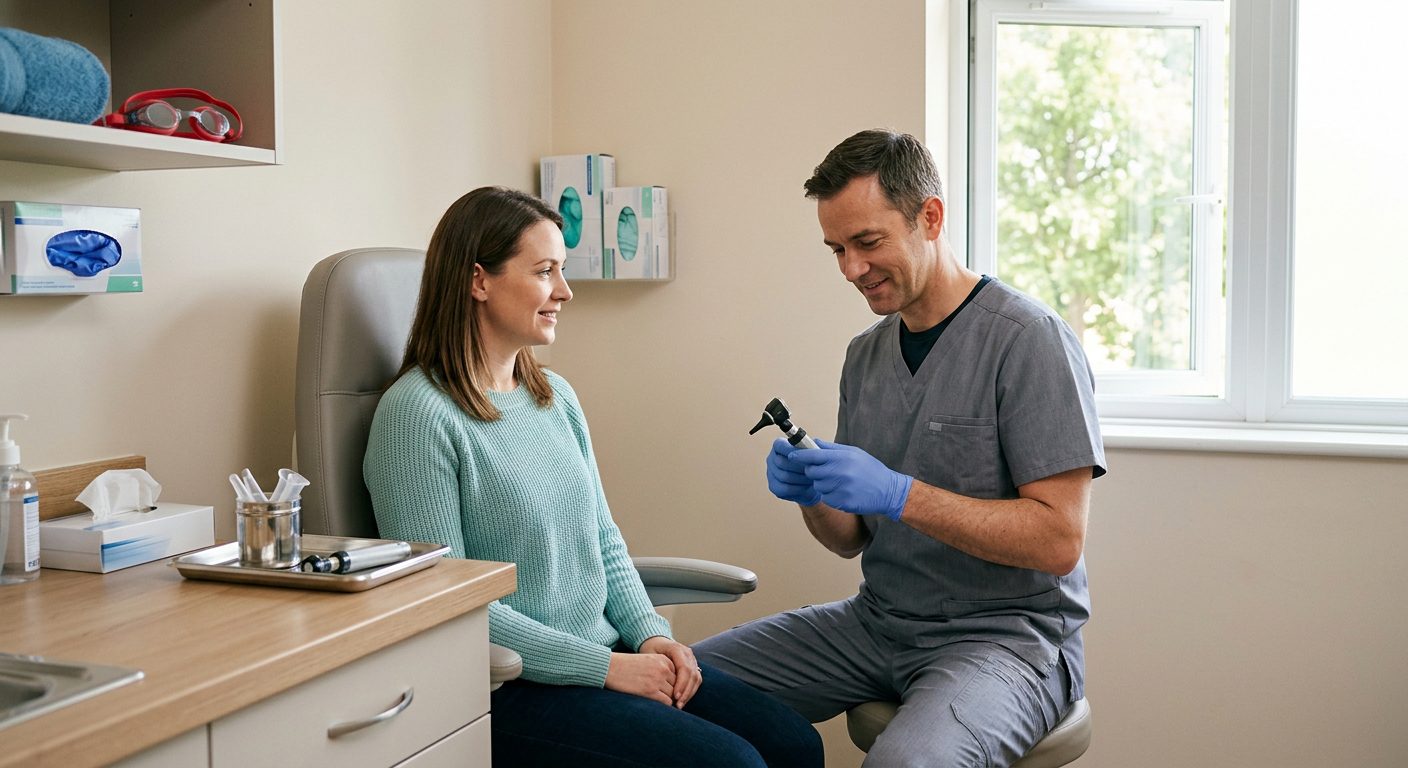

COVID Testing and Treatment Advice: When a Pharmacy Appointment May Help
COVID-19 can cause symptoms ranging from a mild cough and tiredness to serious breathing difficulties. Although many people recover at home, testing and timely advice can be especially helpful if you are unsure whether your symptoms are caused by COVID-19, you are at higher risk of becoming seriously unwell, or you need guidance about what to do next.
A pharmacy appointment provides an opportunity to discuss your symptoms, review your circumstances and receive clear, practical advice. The pharmacist can explain testing options, advise on self-care and identify when you need urgent medical assessment or referral to another service.
What symptoms might suggest COVID-19?
COVID-19 symptoms can vary and may overlap with colds, flu and other respiratory infections. Common symptoms include:
- A high temperature, feeling feverish or experiencing chills
- A new, continuous cough
- Shortness of breath
- Loss or change in your sense of taste or smell
- Sore throat, blocked or runny nose
- Headache, muscle aches or marked tiredness
- Nausea, vomiting or diarrhoea
Not everyone with COVID-19 will have a temperature, cough or changes to taste and smell. Symptoms may also develop gradually. If you have respiratory symptoms, it is sensible to avoid close contact with people who may be more vulnerable while you are unwell and to follow current public health advice.
How can a pharmacy appointment help?
During an appointment, the pharmacist can ask about your symptoms, when they started, any relevant medical conditions and medicines you take. This helps them provide advice that is appropriate to your situation. They may discuss whether testing is suitable, how to use a test correctly and what the result may mean.
A pharmacist can also help you decide whether you can safely manage your symptoms at home or whether you should contact your GP, NHS 111 or another healthcare professional. If your symptoms suggest a more serious problem, the pharmacist will advise you about the most appropriate and urgent next step.
Pharmacy advice can be particularly useful if you are uncertain about a positive or negative result, worried about symptoms, caring for someone who is unwell, or unsure when it is safe to return to work, school or normal activities.
COVID testing: what to know
Most people who test for COVID-19 use a rapid lateral flow test. These tests can provide a result quickly, but they are not perfect. A positive result is generally helpful in indicating that you may have COVID-19, while a negative result does not always rule it out, particularly if you have symptoms or test very early in the infection.
Correct use is important. Always check the instructions supplied with the test, use a test that is within its expiry date and follow the recommended process carefully. If you receive an unclear or invalid result, you should repeat the test with a new kit rather than relying on that result.
Testing requirements can change depending on national guidance, your workplace, travel arrangements, healthcare setting or personal circumstances. A pharmacist can explain the options available and whether further assessment is needed. Testing may not be appropriate for every situation, and a result should always be considered alongside your symptoms and overall health.
Who may need treatment advice quickly?
Most people with mild COVID-19 symptoms improve without specific antiviral treatment. However, some people have a higher risk of becoming seriously unwell. This may include people with certain long-term health conditions, a weakened immune system or other risk factors identified by their healthcare team. Age and current medicines may also be relevant.
COVID-19 antiviral treatments are not routinely needed by everyone with a positive test. They are usually considered for eligible people at higher risk and may need to be started soon after symptoms begin. Eligibility and access are determined through the appropriate NHS or specialist pathway, and can vary according to current guidance.
If you believe you may be eligible for treatment, do not wait if you are becoming unwell. Contact the healthcare service that normally manages your condition, your GP practice, NHS 111 or the local COVID medicines service, depending on the arrangements in your area. A pharmacist can help you understand where to seek advice and whether your symptoms require prompt escalation.
Managing mild symptoms at home
If your symptoms are mild and you do not have warning signs, rest and drink plenty of fluids. You may wish to use simple measures to relieve discomfort, such as paracetamol for fever or aches, provided it is suitable for you and taken according to the product instructions.
Check with a pharmacist before taking any medicine if you are pregnant, have liver or kidney disease, take regular medicines, have allergies or are considering products containing more than one active ingredient. Cold and flu remedies can contain paracetamol, so avoid taking additional paracetamol unless you have checked the total dose carefully.
Stay at home if you feel unwell and take reasonable steps to reduce the risk of passing the infection to others. This may include improving ventilation, washing your hands regularly, covering coughs and sneezes and avoiding close contact with people at higher risk. Follow the latest UK guidance relevant to your circumstances.
When to seek urgent medical help
Contact NHS 111 or seek urgent medical advice if your symptoms are worsening, you are unable to manage at home, you are becoming dehydrated, or you are concerned for any reason. You should seek urgent help if you have a persistent high temperature, worsening breathlessness or symptoms that are not improving as expected.
Call 999 or attend A&E immediately if you have severe difficulty breathing, sudden chest pain, blue or grey lips or skin, new confusion, collapse, or you are difficult to wake. Do not wait for a pharmacy appointment if you have emergency symptoms.
Why choose a pharmacy appointment?
A pharmacy appointment offers accessible, confidential advice without always needing to wait for a GP appointment. It can help you understand your test result, choose appropriate symptom relief and recognise when another healthcare service is needed.
The pharmacist will not replace emergency care or a full medical consultation where one is required. However, professional advice at an early stage can give you reassurance and a clear plan, particularly when symptoms, test results or treatment options are uncertain.
Book your COVID service appointment
If you would like professional advice about COVID testing, symptoms or the next steps after a result, book a COVID service appointment with Unicare Pharmacy. If you have severe or rapidly worsening symptoms, seek urgent medical help instead of waiting for an appointment.